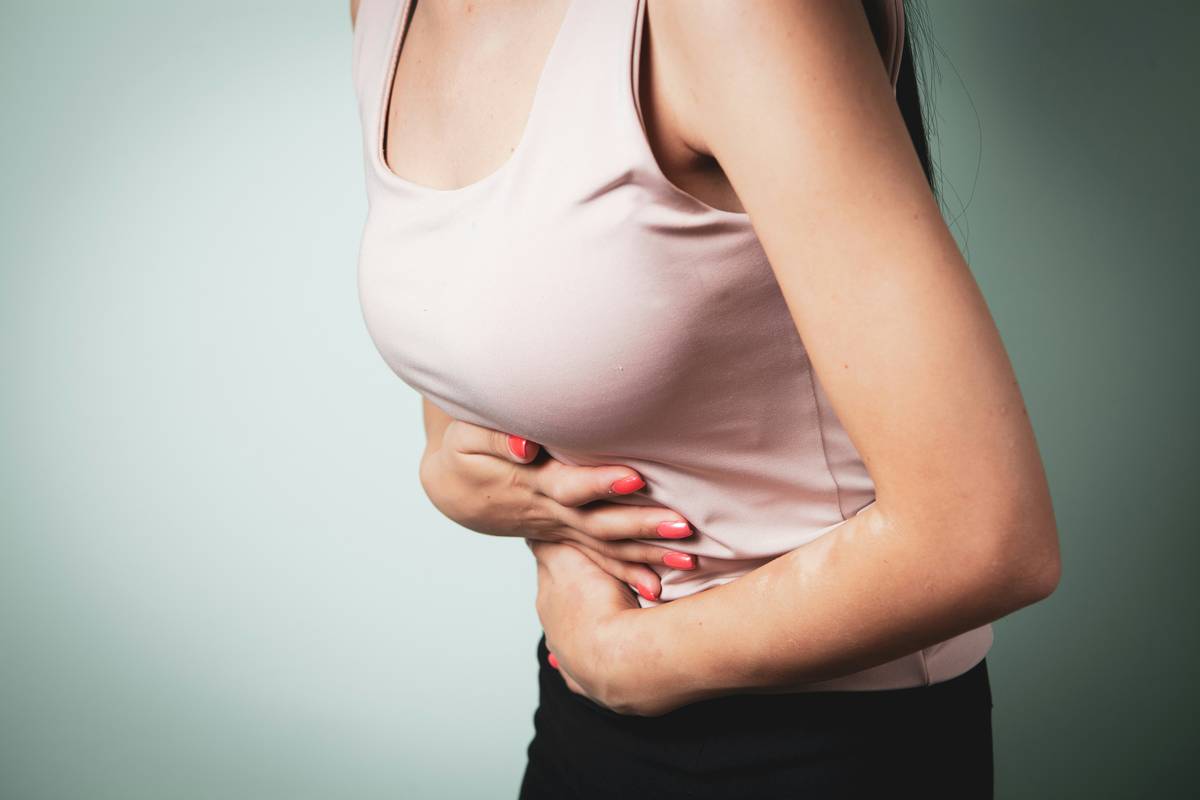
You feel bloated after every meal. Fatigue clings to you like a second skin. Brain fog rolls in by noon. You’ve tried probiotics, eliminated gluten, even fasted—but nothing sticks. The real issue isn’t what you’re eating. It’s that your gut lining is silently leaking—letting undigested proteins and toxins seep into your bloodstream. And standard advice? It treats symptoms, not the breach itself. Here’s how to actually seal and rebuild your gut barrier for good.
Why Most Gut-Healing Protocols Fail (Even the “Natural” Ones)
They chase inflammation without fixing the gatekeeper—the intestinal epithelium. Probiotics alone won’t patch holes. Bone broth helps, but it’s passive support, not active repair. And don’t get me started on generic “gut cleanses.” They often strip beneficial microbes while ignoring tight junction integrity.
The gut lining renews every 3–5 days. But if you’re constantly feeding it inflammatory triggers—emulsifiers in processed foods, chronic stress hormones, or even over-the-counter NSAIDs—that renewal becomes chaotic. Cells misfire. Junctions stay loose. The result? Persistent immune activation masquerading as “food sensitivity.”
Step-by-Step Protocol to Rebuild Your digestive health gut nutrition gut lining
Phase 1: Remove the Saboteurs
Cut out industrial seed oils (soybean, canola), artificial sweeteners (sucralose wrecks zonulin regulation), and alcohol—even “occasional” wine disrupts occludin proteins. And yes, that includes “healthy” protein bars loaded with gums like xanthan or guar.
Phase 2: Reinforce with Precision Nutrients
Not all supplements are equal. Focus on three non-negotiables: L-glutamine (fuel for enterocytes), zinc carnosine (stabilizes tight junctions), and colostrum-derived PRPs (proline-rich polypeptides)—a lesser-known healer that modulates gut immunity without over-suppressing it.
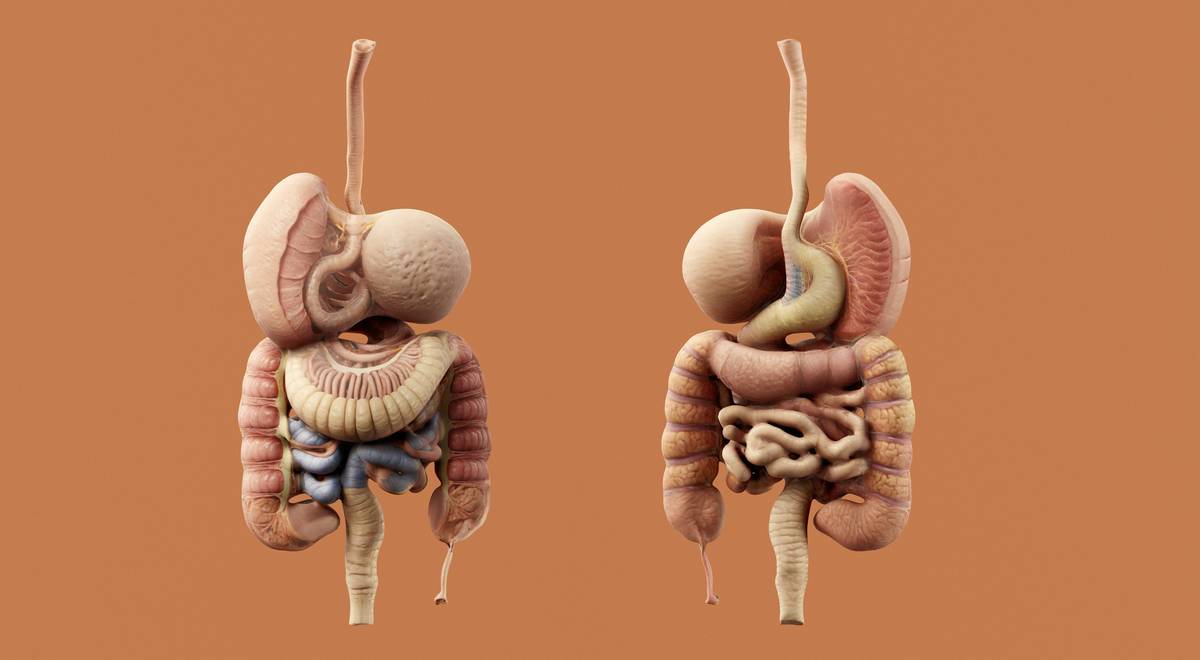
Phase 3: Reintroduce Strategically—Not Just “Elimination Diets”
Most people reintroduce foods too fast or in wrong order. Start with cooked low-FODMAP veggies, then fermented dairy (if tolerated), then gluten-free grains. Wait 72 hours between each. Track not just bloating—but changes in stool consistency, energy dips, or skin clarity. That’s your real feedback loop.
| Intervention | Time to Initial Effect | Clinical Evidence Strength | Cumulative Cost (4 Weeks) |
|---|---|---|---|
| L-Glutamine (5g twice daily) | 7–10 days | Moderate (human RCTs) | $28–$40 |
| Zinc Carnosine (75mg daily) | 14–21 days | Strong (multiple GI studies) | $35–$50 |
| Bovine Colostrum (PRP-enriched) | 21–28 days | Emerging (promising pilot data) | $60–$85 |
| Generic Probiotic Blend | Variable | Weak for barrier repair | $20–$35 |

The Industry Secret: Your Gut Lining Needs “Architectural” Support—Not Just “Food”
Here’s what functional medicine clinics quietly use but rarely advertise: gut lining repair isn’t about flooding the system with nutrients. It’s about creating the right electrochemical environment for epithelial cells to self-assemble correctly. That means managing circadian rhythm—because gut permeability follows a diurnal pattern, peaking at night during melatonin dip.
So—sleep matters more than your smoothie. One study found participants who slept <6 hours nightly had 37% higher serum zonulin, regardless of diet. Yet no one talks about sleep hygiene in gut protocols. And hydration timing? Sip water between meals—not during—to avoid diluting stomach acid needed for proper protein breakdown. Undigested peptides = more antigenic load = more leakiness. The math is simple. But overlooked.
Frequently Asked Questions
Can leaky gut be reversed naturally?
Yes—if you target tight junction proteins directly with specific nutrients like zinc carnosine and remove dietary disruptors consistently for 6–8 weeks.
How long does gut lining take to heal?
Initial sealing occurs in 2–3 weeks, but full mucosal restoration typically requires 3–6 months of disciplined protocol adherence.
Is bone broth enough for gut repair?
No. While collagen supports connective tissue, it lacks the amino acid profile (like sufficient glutamine) and signaling molecules needed for active epithelial repair.