You eat clean. You hydrate. You even meditate. Yet bloating, gas, or that 3 p.m. food coma still hits like clockwork. Frustrating? Absolutely. But the real issue isn’t your diet—it’s what your body *does* with it. Enter digestive enzymes. And yes—they’re far more than just another supplement trend.
Why Your Body Might Be Sabotaging Digestion (Even on a “Healthy” Diet)
Most people assume digestion is automatic—chew, swallow, done. Wrong. Without sufficient enzymes, even organic kale becomes undigested sludge in your gut. Here’s the reality: stress, aging, processed foods, and chronic inflammation quietly deplete your enzyme reserves. The result? Nutrient malabsorption, bacterial overgrowth, and systemic inflammation disguised as “indigestion.”
And it gets worse. Many turn to probiotics alone—hoping good bacteria will fix everything. But bacteria can’t break down proteins or fats without enzymes doing the heavy lifting first. Think about it: you’re seeding a garden on concrete.
How to Digestive Enzymes Help: A Practical, Step-by-Step Protocol
Forget generic advice. Real enzyme support hinges on timing, formulation, and individual biochemistry. Below is a battle-tested approach used in functional clinics—not Instagram reels.
Match Enzymes to Your Meal Type
Protease for protein-heavy meals. Lipase for fats. Amylase for carbs. Taking a one-size-fits-all blend at breakfast won’t cut it if you’re eating steak at dinner. Precision matters.
Timing Is Non-Negotiable
Take enzymes *just before* or *at the start* of your meal. Swallow them after dessert? Useless. Enzymes work in real-time—they don’t linger like probiotics.
Avoid Fillers That Trigger Sensitivities
Many commercial formulas pack cellulose, magnesium stearate, or dairy derivatives. If you’re sensitive, these additives inflame the gut lining—undoing all benefits. Opt for vegan, hypoallergenic capsules.

| Enzyme Source | Best For | Onset Time | Potential Drawbacks |
|---|---|---|---|
| Fungal (Aspergillus) | Broad-spectrum support; works across wide pH range | 5–10 minutes | Rare allergy risk in mold-sensitive individuals |
| Plant (Papaya, Pineapple) | Mild protein/carb digestion; gentle for beginners | 15–20 minutes | Weaker potency; insufficient for high-fat meals |
| Animal (Pancreatin) | Clinical-level fat/protein breakdown | Immediate | Not vegan; may contain allergens; narrow pH window |
Track Symptoms—Don’t Guess
Keep a 7-day log: note meal composition, enzyme dose, and symptoms (bloating, stool quality, energy). Patterns emerge fast. One client reduced post-lunch fatigue by switching from a plant-based blend to a fungal protease-lipase combo—after three failed probiotic trials.
The Industry Secret: Enzymes Aren’t Just for Digestion—They’re Immune Modulators
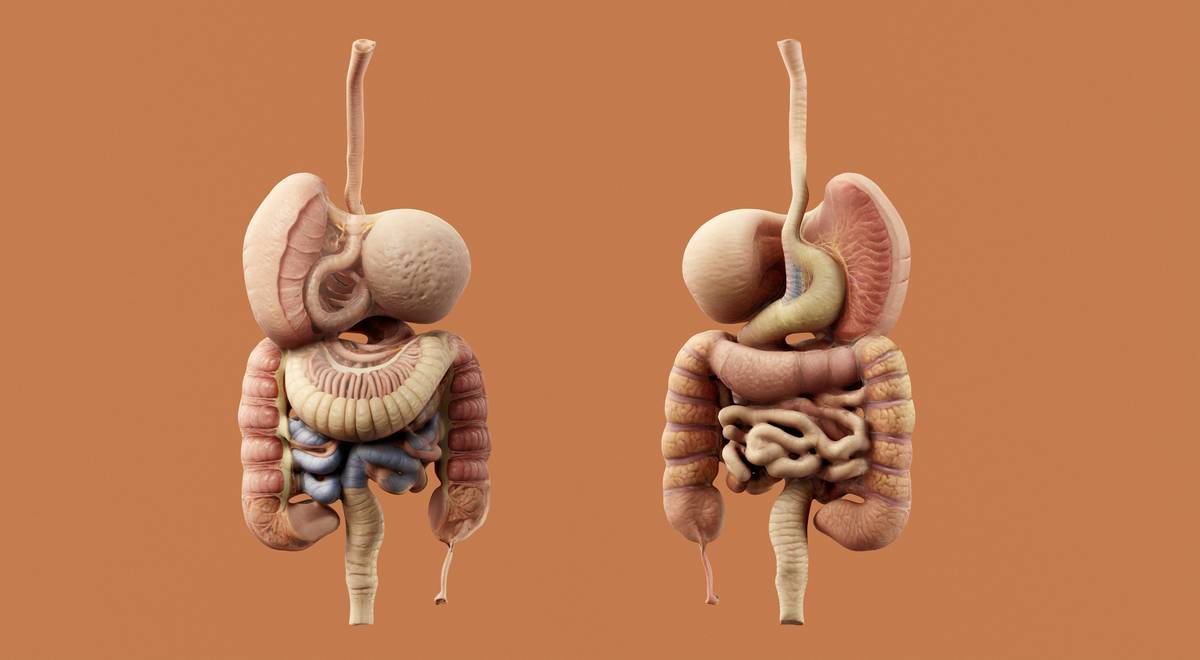
Here’s what supplement labels won’t tell you: certain proteases (like bromelain and serrapeptase) don’t just break down chicken—they dismantle inflammatory cytokines and biofilm shielding gut pathogens. In functional medicine circles, we’ve used high-dose proteolytic enzymes between meals to reduce gut permeability and calm autoimmune flares. The math is simple: less undigested food = fewer immune triggers. But this only works with pharmaceutical-grade enzymes, not dollar-store blends.
And—but many practitioners miss this—you must cycle them. Continuous high-dose use can downregulate your body’s natural production. Two months on, one month off. That’s the rhythm.
FAQ: Quick Answers to Burning Questions
Can I take digestive enzymes every day?
Yes—but only with meals. Daily use with food supports digestion without suppressing your natural enzyme output. Avoid taking them between meals unless under clinical guidance for inflammation.
Do digestive enzymes help with bloating?
Absolutely—if bloating stems from maldigestion (common with beans, dairy, or fatty foods). They break down fermentable substrates before gut bacteria produce excess gas.
Are digestive enzymes safe long-term?
Generally yes when used appropriately. However, those with pancreatic conditions or on blood thinners should consult a physician—proteases can interact with anticoagulants.