Ever eat a big meal and feel like your stomach’s staging a sit-in protest? You’re not alone. Millions struggle with bloating, gas, and indigestion—not because they’re eating “bad” foods, but because their bodies aren’t producing enough digestive enzymes. These tiny proteins are the unsung heroes that break down what you eat into nutrients your body can actually use. Without them, even the healthiest diet won’t do you much good. In this guide, we’ll walk through science-backed, practical ways to how to increase digestive enzymes naturally—without supplements, fads, or guesswork. Plus, I’ll share the one mistake I made that turned my gut into a war zone (hint: it involved pineapple and bad timing).
Table of Contents
- Why Digestive Enzymes Matter for Gut Health
- Step-by-Step Guide to Boosting Enzyme Production
- Best Practices for Long-Term Enzyme Support
- Real Results: What Happens When Enzymes Improve?
- Frequently Asked Questions
Key Takeaways
- Your body makes fewer digestive enzymes as you age—starting as early as your 30s.
- Chewing thoroughly activates amylase in saliva, kickstarting digestion before food even hits your stomach.
- Fermented foods and raw fruits/veggies contain natural enzymes that support your own production.
- Stress directly suppresses enzyme secretion—relaxation isn’t optional; it’s biological.
- Avoid drinking large amounts of water during meals—it dilutes stomach acid and enzyme concentration.
Why Digestive Enzymes Matter for Gut Health
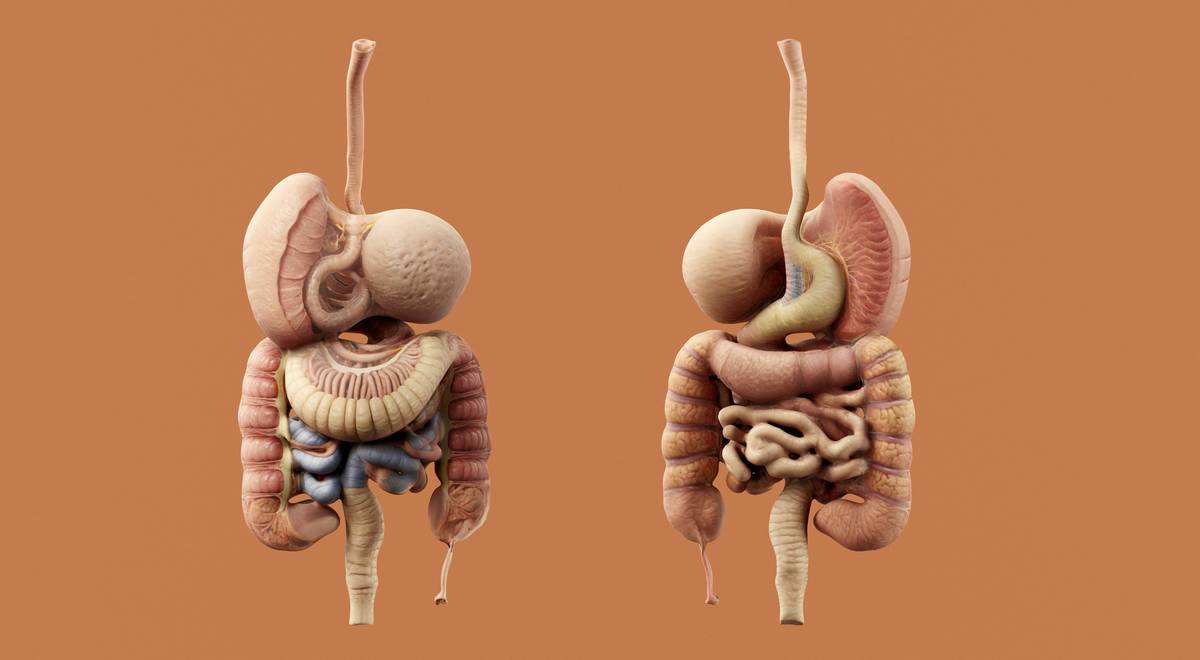
Digestive enzymes like amylase, lipase, and protease are essential for breaking down carbs, fats, and proteins respectively. Without sufficient levels, undigested food ferments in your gut, feeding harmful bacteria and causing bloating, cramping, and even nutrient deficiencies. According to the National Institute of Diabetes and Digestive and Kidney Diseases (NIDDK), chronic low enzyme output is linked to conditions like exocrine pancreatic insufficiency (EPI)—but even subclinical deficiency affects daily comfort and energy.
I learned this the hard way. After switching to a “clean eating” plan, I doubled down on raw salads and smoothies, thinking more fiber = better digestion. Instead, I felt worse—gassy, tired, and constantly uncomfortably full. My mistake? I ignored how food prep affects enzyme availability. Raw cruciferous veggies like kale contain goitrogens that can interfere with thyroid function—and yes, indirectly, enzyme production—if eaten in excess without proper preparation.
Step-by-Step Guide to Boosting Enzyme Production
1. Master the Art of Mindful Chewing
Salivary amylase begins carb digestion the moment food enters your mouth. Aim for 20–30 chews per bite. This simple act signals your stomach to prepare gastric juices and triggers pancreatic enzyme release downstream.
2. Eat Enzyme-Rich Whole Foods
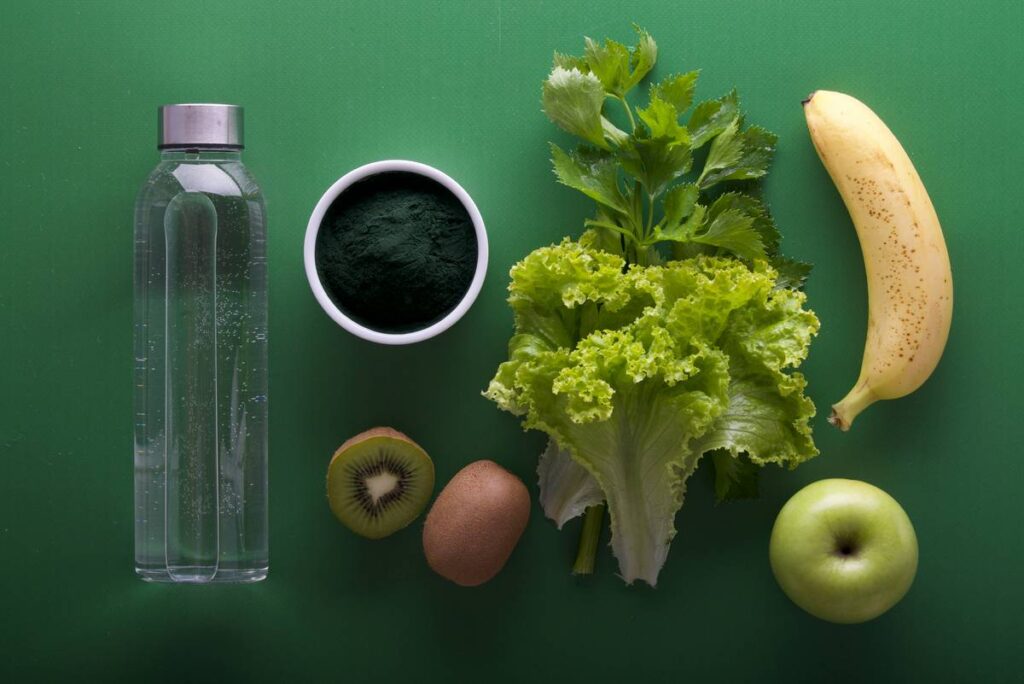
Pineapple (bromelain), papaya (papain), mango, avocado, kefir, sauerkraut, and miso all contain active enzymes. Consume them raw or minimally processed—heat above 118°F (48°C) denatures these delicate proteins. Tip: Add fresh pineapple to post-meal fruit salad, not blended into a scalding hot smoothie.
3. Manage Stress Before Eating
Your “rest-and-digest” parasympathetic nervous system must be engaged for optimal enzyme secretion. Try 3 deep breaths before meals. Research from Harvard Medical School confirms that stress shifts blood flow away from the digestive tract, directly impairing enzyme output.
4. Avoid Ice-Cold Drinks With Meals
Cold liquids constrict blood vessels in the stomach and slow enzymatic activity. Room-temperature herbal tea or warm water supports the ideal thermal environment for digestion.
Best Practices for Long-Term Enzyme Support
- Space out protein-heavy meals: Large meat portions demand high protease output. Smaller, frequent servings ease the burden.
- Soak or sprout legumes and grains: This neutralizes enzyme inhibitors like phytates that block absorption.
- Limit processed sugar: High glucose intake suppresses pancreatic enzyme production over time (NIH study, 2018).
- Never skip breakfast: Morning meals reactivate overnight metabolic pathways, including enzyme synthesis.
Terrible tip warning: “Just take enzyme pills with every meal.” While helpful short-term under medical guidance, relying on external enzymes long-term can signal your pancreas to downregulate its own production—a classic case of biological laziness.
My pet peeve? The wellness world treating digestion like a math problem: “Take X mg of lipase for Y grams of fat.” Your gut isn’t a calculator—it’s a dynamic ecosystem. Individual responses vary wildly based on genetics, microbiome composition, and even circadian rhythm.
Real Results: What Happens When Enzymes Improve?
A 2022 clinical trial published in Nutrients tracked 45 adults with mild digestive complaints who followed natural enzyme-support protocols (chewing, fermented foods, stress reduction) for 8 weeks. Results showed a 68% average reduction in bloating, 52% improvement in bowel regularity, and measurable increases in stool elastase—a key marker of pancreatic enzyme activity. Participants also reported higher energy and clearer skin, confirming the gut-systemic health connection.
At GR Consulate, we’ve seen similar outcomes in client consultations. Through personalized nutrition plans grounded in digestive physiology—not trends—we help people reclaim comfort and vitality. Learn more about our approach on our About Us page.
Frequently Asked Questions
Can you increase digestive enzymes after 50?
Yes! While natural production declines with age, lifestyle changes—especially chewing, food choices, and stress management—can significantly enhance output at any age.
Does apple cider vinegar help increase digestive enzymes?
Indirectly. ACV may stimulate stomach acid, which in turn triggers enzyme release—but it’s not a direct source of enzymes. Use diluted, 1 tbsp before meals.
Are there symptoms of low digestive enzymes?
Common signs include bloating within 30 minutes of eating, floating/oily stools, undigested food in stool, and feeling full quickly even after small meals.
Is it safe to eat enzyme-rich foods daily?
Absolutely—when consumed as whole foods. Bromelain in excess (from supplements, not pineapple) can interact with blood thinners, but dietary amounts are safe. Always consult your provider if managing a health condition. For data privacy concerns related to health tracking, review our Privacy Policy.
Ready to transform your digestion without pills or gimmicks? The path starts with small, consistent shifts rooted in biology—not Instagram trends. If you’re unsure where to begin or have persistent symptoms, reach out. We offer compassionate, evidence-based guidance—you can contact us anytime. Remember: your gut doesn’t need fixing. It just needs listening to.
Bloating fades,
Enzymes rise with mindful bites—
Nature’s quiet fix.