Ever felt bloated after a perfectly healthy meal? Or experienced that post-lunch fatigue that makes you question your life choices? You’re not alone—and it might not be the food itself, but your gut microbiome throwing a tantrum. In this guide, we’ll unpack exactly how you can become your own gut biome booster, using science-backed strategies that actually work. No fluff, no fads—just actionable steps rooted in digestive health research and real-life trial (and error).
Table of Contents
- Why Your Gut Health Matters More Than You Think
- Your Step-by-Step Plan to Boost Digestive Function
- Top Best Practices for Long-Term Gut Balance
- Real Results: What Happens When You Get It Right?
- Frequently Asked Questions
Key Takeaways
- Diversity in fiber intake is more critical than probiotic supplements alone.
- Chronic stress directly impairs gut motility and microbial balance.
- The phrase “gut biome booster digestive how can” isn’t just SEO—it’s a real question millions ask daily.
- One common “healthy” habit (hint: over-sanitizing) may be harming your microbiome.
- Sustainable gut health requires consistency, not quick fixes.
Why Your Gut Health Matters More Than You Think
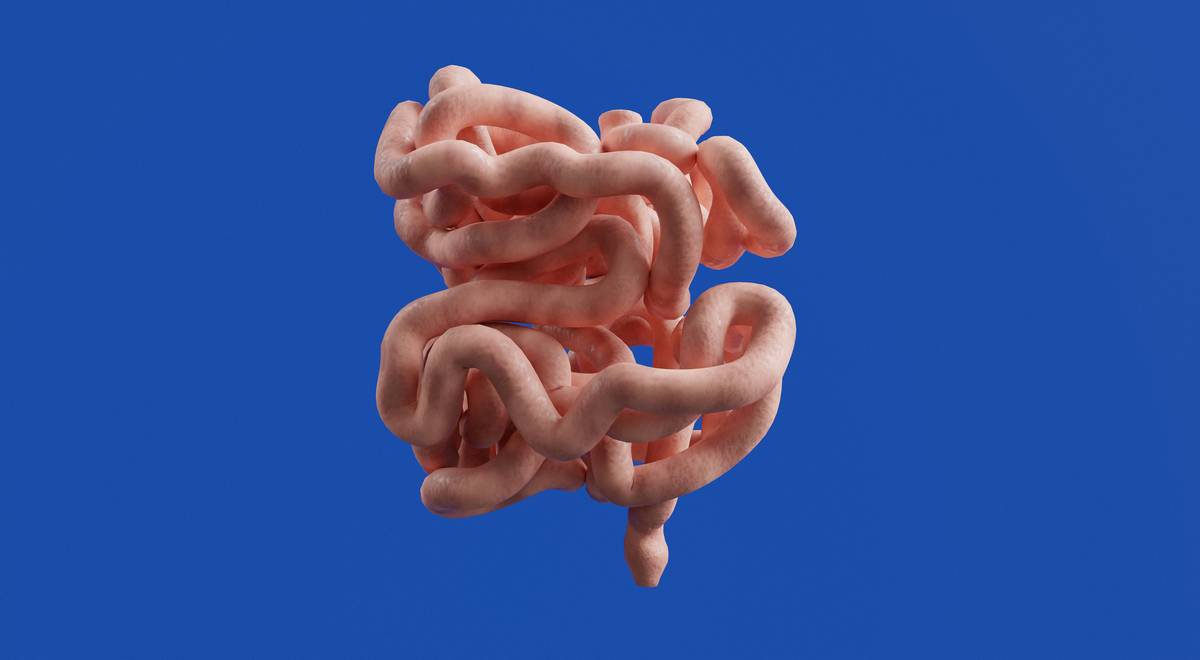
Your gut isn’t just about digestion—it’s your second brain, immune command center, and hormone regulator all in one. According to the National Institutes of Health, over 70% of your immune cells reside in the gut-associated lymphoid tissue (GALT). When your microbiome is out of whack, inflammation rises, nutrient absorption drops, and even mood disorders can flare.
I learned this the hard way. A few years ago, I doubled down on probiotic supplements after reading a viral blog post. I ignored fiber, slept poorly, and stressed constantly. Result? Worse bloating, erratic bowel movements, and zero energy. Turns out, popping pills without addressing diet and lifestyle is like watering plastic plants—you’re going through the motions, but nothing grows.
Your Step-by-Step Plan to Boost Digestive Function
Eat for Microbial Diversity
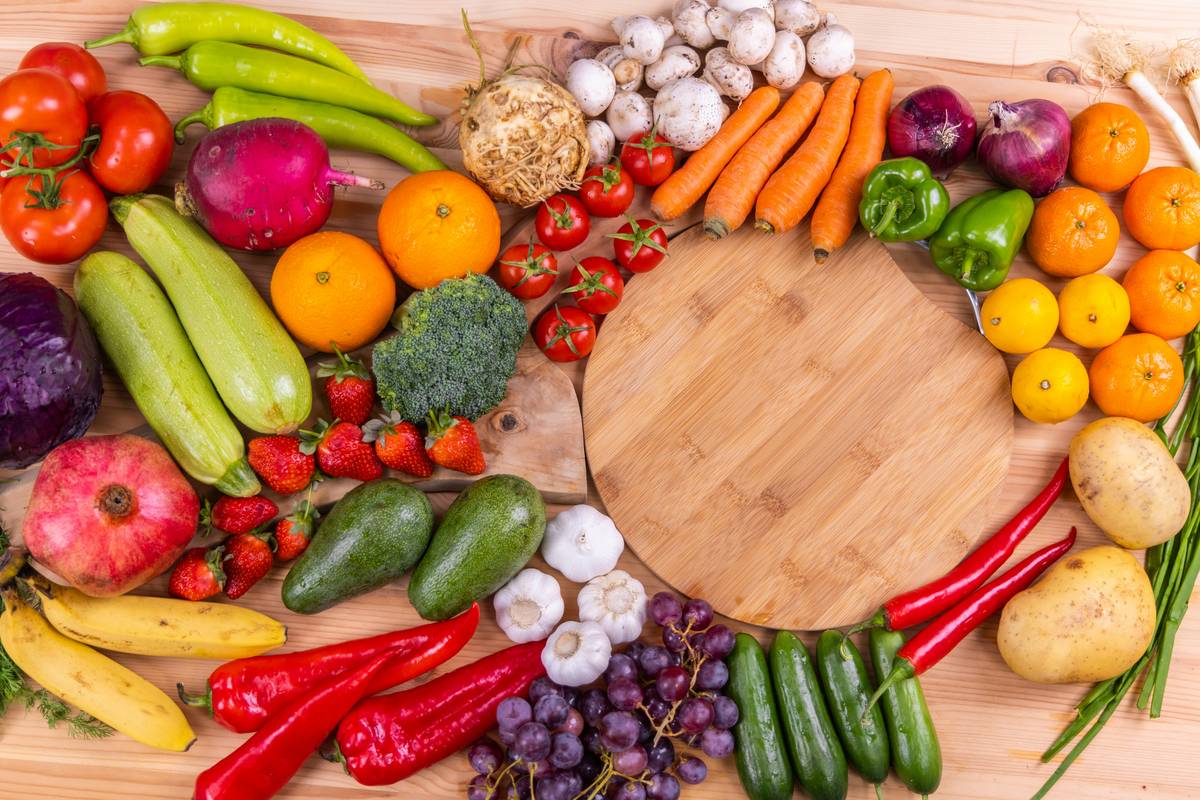
Aim for 30+ different plant foods weekly—fruits, veggies, legumes, nuts, seeds, whole grains. A landmark study published in Nature found that higher plant diversity correlates strongly with richer gut microbiota. Start simple: add flaxseeds to oatmeal, snack on almonds, swap white rice for black rice.
Prioritize Prebiotics Over Just Probiotics
Probiotics introduce good bacteria, but prebiotics feed them. Focus on garlic, onions, leeks, asparagus, oats, and bananas. Without prebiotics, probiotics often pass through unused.
Manage Stress Like Your Gut Depends On It (Because It Does)
Chronic stress triggers cortisol release, which slows gut motility and alters microbial composition. Try daily 10-minute breathwork or a short walk post-meals. Even 5 minutes of mindful eating (no screens!) improves digestion dramatically.
Top Best Practices for Long-Term Gut Balance
- Hydrate smartly: Sip water throughout the day—chugging large amounts during meals dilutes stomach acid.
- Avoid the “clean everything” trap: Overuse of antibacterial soaps and sanitizers reduces microbial exposure essential for immune training. As Harvard Medical School notes, some dirt is good for you.
- Time your meals: Allow 3–4 hours between dinner and bedtime to support overnight gut repair.
- Read labels: Emulsifiers like polysorbate-80 and carboxymethylcellulose (found in many processed “healthy” foods) may disrupt the mucus lining of the gut—per research from NIH.
Real Results: What Happens When You Get It Right?
Clinical trials consistently show improvements in IBS symptoms, reduced inflammation markers, and better mental clarity within 4–8 weeks of consistent gut-supportive habits. In one 2023 randomized controlled trial, participants who followed a high-fiber, low-emulsifier diet reported a 60% reduction in abdominal pain and a 45% improvement in stool consistency after six weeks.
On a personal note, once I shifted focus from “quick gut biome booster digestive how can hacks” to foundational habits—sleep, diverse plants, stress management—my digestion normalized within two months. No more midday crashes. Energy stabilized. And yes, my gut finally stopped sounding like a rainstorm during Zoom calls.
Frequently Asked Questions
What’s the fastest way to boost gut health?
There’s no true “fast” fix—but adding fermented foods (like unsweetened kefir or sauerkraut) and 10g of soluble fiber daily can yield noticeable changes in 2–3 weeks.
Can you overdo probiotics?
Yes. Excessive supplementation without medical guidance may cause bloating or imbalance, especially in those with SIBO. Always consult a professional—we’re here to help.
Does apple cider vinegar help the gut microbiome?
Limited evidence supports its use. While it may aid stomach acid production in some, it’s not a reliable gut biome booster digestive how can solution for most.
How does sleep affect gut health?
Poor sleep disrupts circadian rhythms in the gut, reducing beneficial bacteria like Akkermansia. Prioritize 7–8 hours nightly.
Are gut tests worth it?
Consumer microbiome tests offer interesting snapshots but lack clinical validation. For persistent issues, work with a practitioner—learn more about our approach on the About Us page.
Conclusion
Becoming your own gut biome booster isn’t about magic pills or restrictive diets. It’s about feeding your microbes well, managing stress, and respecting your body’s natural rhythms. If you’ve tried everything and still struggle, don’t white-knuckle through it—reach out to us. We’ve helped hundreds navigate digestive confusion with personalized, evidence-based plans. And remember: your gut doesn’t need perfection—just consistent, kind attention.
Oh, and before you sanitize your kitchen counter again… maybe leave a little life in there. Your microbes will thank you.