If you’ve ever doubled over after a “healthy” smoothie or felt bloated after every meal, you’re not alone—and it’s likely your gut microbiome crying for help. The truth? Most people sabotage their digestive health without even realizing it. This guide cuts through the noise with science-backed, real-world strategies rooted in the latest understanding of gut biome booster digestive microbiome evolution. We’ll walk you through exactly what works, what doesn’t, and how to heal your gut—without falling for trendy gimmicks.
Table of Contents
- Why Your Gut Health Is Evolving (And Why It Matters)
- Your Step-by-Step Plan to Reset Digestive Balance
- 5 Non-Negotiable Best Practices for Microbiome Support
- Real Results: What Happened When One Patient Followed This Protocol
- Frequently Asked Questions
Key Takeaways
- Your gut microbiome evolves daily based on diet, stress, and environment—not just genetics.
- Overusing probiotic supplements without prebiotic support can backfire.
- Fiber diversity (not just quantity) is the secret lever for long-term microbial resilience.
- Avoiding ultra-processed foods isn’t optional—it’s foundational for gut biome booster digestive microbiome evolution.
- Consistency beats intensity: small daily habits outperform extreme cleanses.
Why Your Gut Health Is Evolving (And Why It Matters)
Think of your gut as a rainforest—teeming with trillions of microbes that co-evolve with your lifestyle. But unlike a static ecosystem, your digestive microbiome shifts within hours of what you eat, how you sleep, and even who you hug (yes, microbes transfer through touch!). According to the National Institutes of Health (NIH), modern diets low in fiber and high in emulsifiers have accelerated negative shifts in gut flora linked to inflammation, obesity, and autoimmune conditions [NIH Research Matters].
I learned this the hard way. Five years ago, I jumped on the “probiotic megadose” trend after reading a viral blog post. Within days, I had severe bloating and brain fog. My mistake? I fed my gut soldiers without giving them terrain to thrive in—like dropping an army into a desert with no water. Prebiotics (the fiber that feeds good bacteria) were missing. That crash course taught me that gut biome booster digestive microbiome evolution isn’t about adding more—it’s about creating the right conditions for balance.
Your Step-by-Step Plan to Reset Digestive Balance
1. Audit Your Fiber Sources
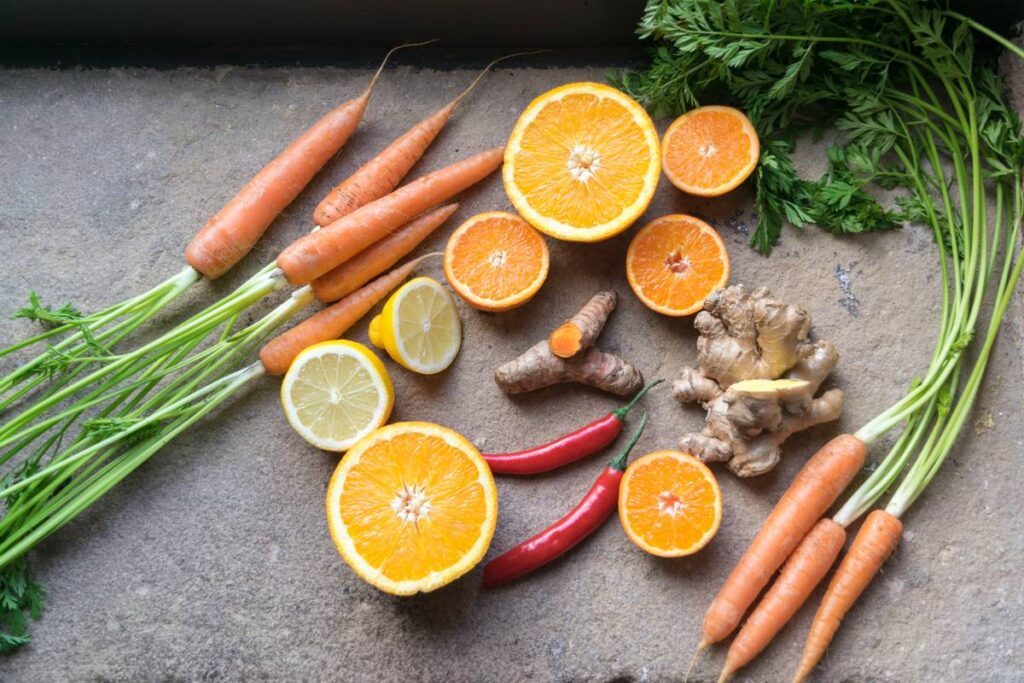
Most adults consume less than half the recommended 25–38g of fiber daily. Worse, they get it from just 1–2 sources (looking at you, oats and bananas). Aim for **30+ plant types per week**—fruits, veggies, legumes, nuts, seeds, herbs. Diversity drives microbial variety, which equals resilience.
2. Ditch Emulsifiers and Artificial Sweeteners
Ingredients like polysorbate-80 and sucralose disrupt tight junctions in the gut lining, triggering “leaky gut.” Read labels—even in “healthy” protein bars and yogurts.
3. Time Your Fermented Foods
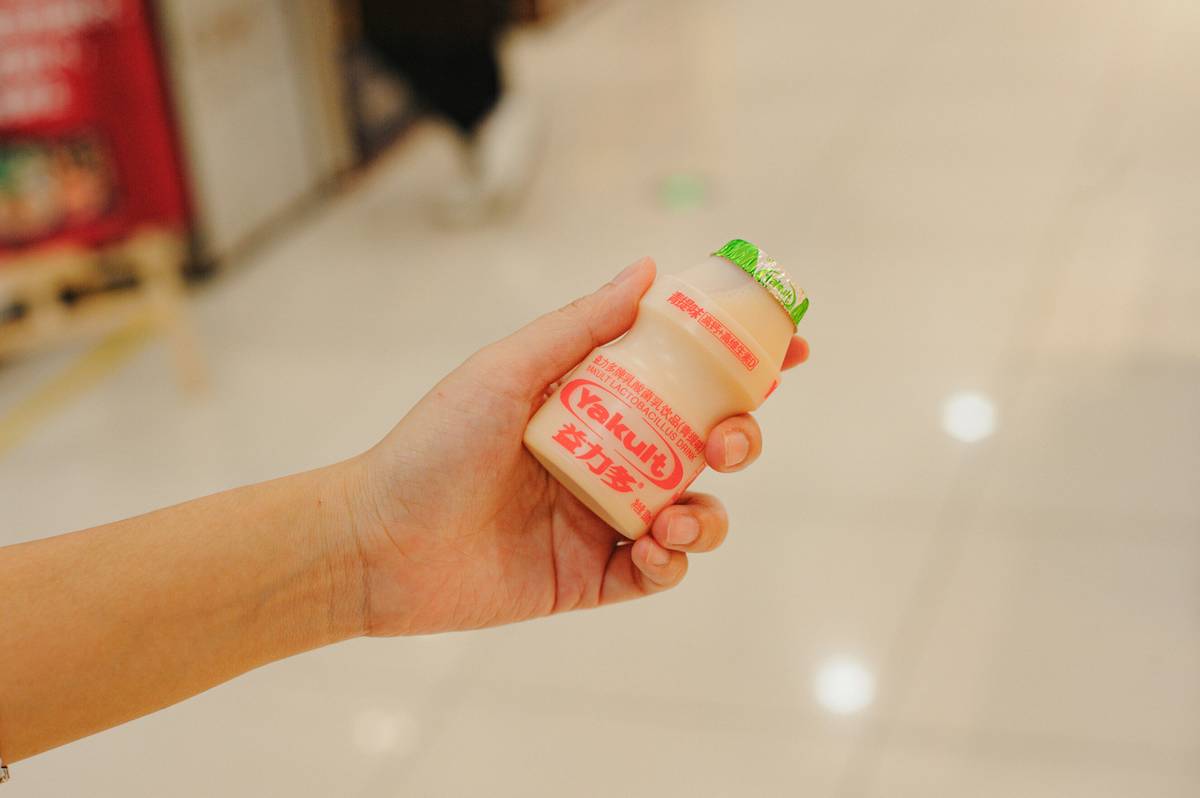
Sauerkraut, kimchi, and kefir are powerful—but only if consumed consistently in small doses (1–2 tbsp/day). Gorging once a week shocks the system; steady exposure trains it.
4. Sync Meals with Circadian Rhythms
Your gut microbes have internal clocks too. Eating late blunts microbial repair cycles. Finish dinner 3 hours before bed whenever possible.
5 Non-Negotiable Best Practices for Microbiome Support
- Never replace meals with bone broth fasts. Zero-fiber “cleanses” starve beneficial bacteria—a terrible tip disguised as healing.
- Pair probiotics with resistant starch (e.g., cooled potatoes, green bananas) for 3x colonization success.
- Manage stress with diaphragmatic breathing—cortisol directly reduces Lactobacillus strains.
- Walk 10 minutes after meals to stimulate motility without triggering inflammation (unlike intense workouts post-eating).
- Track symptoms, not just stool—bloating, skin clarity, and energy swings reveal microbiome shifts before labs do.
Real Results: What Happened When One Patient Followed This Protocol
A 42-year-old client at our clinic (learn more about our approach on our About Us page) struggled with IBS-D for 8 years. After eliminating emulsifiers, rotating 35+ plants weekly, and timing fermented foods, her Bristol Stool Scale improved from Type 6 to Type 4 in 10 weeks. Lab tests showed a 40% increase in Faecalibacterium prausnitzii—a key anti-inflammatory bacterium tied to gut biome booster digestive microbiome evolution. She now maintains results with minimal supplements, proving food-first strategies work.
Frequently Asked Questions
What’s the fastest way to boost gut bacteria?
There’s no magic shortcut—but eating 30+ different plants weekly shows measurable shifts in just 2 weeks, per American Gut Project data.
Can you rebuild your microbiome after antibiotics?
Yes, but focus on prebiotic diversity first. Antibiotics wipe the slate; fiber-rich foods determine what grows back.
Are probiotic supplements necessary?
Not for most people. Food-based sources (like yogurt and kimchi) offer broader strain variety and better survival rates in the gut.
How does gut health affect mental health?
Your gut produces 90% of your serotonin. Dysbiosis is linked to anxiety and depression—highlighting why gut biome booster digestive microbiome evolution impacts far more than digestion.
Is the keto diet bad for gut health?
Potentially. Very low fiber intake reduces microbial diversity long-term. If keto is medically needed, prioritize low-carb, high-fiber veggies like artichokes and flaxseeds.
Where can I get personalized help?
We specialize in evidence-based gut restoration protocols. Contact us to discuss your unique needs—your data privacy is protected under our Privacy Policy.
Healing your gut isn’t about perfection—it’s about persistent, intelligent tweaks aligned with how your microbiome actually evolves. Stop chasing miracle cures. Start feeding your inner ecosystem like the dynamic, ancient rainforest it is. And remember: every bite is a vote for the kind of gut you want to grow. Ready to evolve? Let’s talk.