Ever eaten a healthy meal only to end up bloated, gassy, or running to the bathroom? You’re not alone—and it’s likely not your fault. Many people assume “eating clean” automatically means smooth digestion, but without understanding how nutrition and the digestive system truly interact, even the best diets can backfire. In this guide, we’ll unpack science-backed strategies to optimize digestion through smart nutrition choices—plus one embarrassing mistake I made that left me doubled over at a dinner party (more on that later).
Table of Contents
- Why Nutrition Matters for Digestion
- Step-by-Step Guide to Better Digestive Health
- Best Practices for Digestive Enzyme Support
- Real Results from Smart Nutrition Choices
- Frequently Asked Questions
Key Takeaways
- Food quality alone isn’t enough—how you combine and time nutrients affects digestion.
- Digestive enzymes aren’t just supplements—they’re naturally produced based on what you eat.
- Hydration, fiber diversity, and mindful eating dramatically improve gut function.
- Avoiding processed foods reduces enzyme demand and inflammation.
Why Nutrition Matters for Digestion
Your digestive system is a precision-engineered pipeline—not a garbage disposal. Every bite you take sends signals to your stomach, pancreas, and intestines about which enzymes to release, how much acid to produce, and when to trigger motility. When nutrition and the digestive system are out of sync, even nutrient-dense foods can cause discomfort.
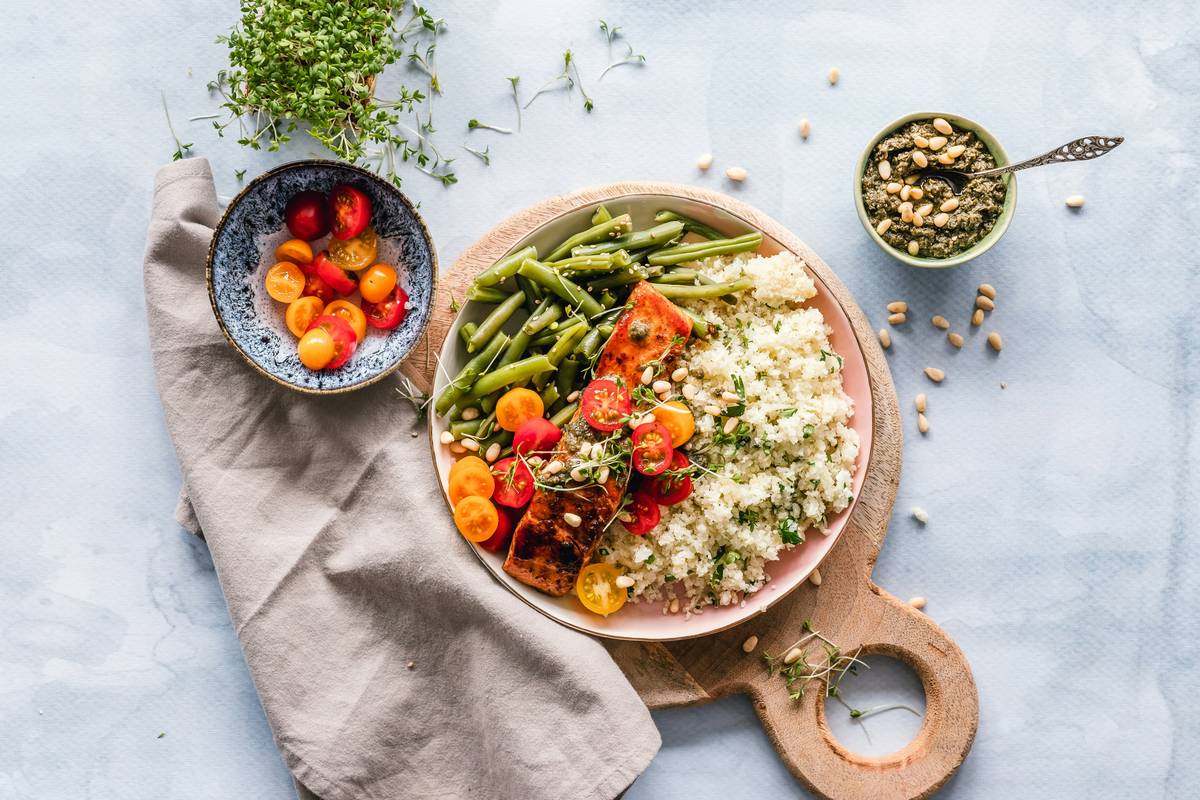
I learned this the hard way. At a friend’s wedding, I proudly ordered the grilled salmon with quinoa and steamed kale—super healthy, right? But I’d skipped breakfast, chugged coffee all morning, and ate my “clean” meal in under five minutes while stressed about giving a toast. Result? Within 20 minutes, I was hiding in the restroom with painful cramps. Why? My body hadn’t prepped adequate enzymes due to rushed eating and dehydration. According to the National Institute of Diabetes and Digestive and Kidney Diseases (NIDDK), stress and poor chewing alone can reduce digestive efficiency by up to 30% [NIDDK].
Step-by-Step Guide to Better Digestive Health
1. Start with Hydration Before Meals
Drink 1–2 glasses of water 20–30 minutes before eating. This primes gastric juices without diluting them during the meal—a common error. Dehydration impairs mucosal lining integrity in the gut, slowing enzyme activity.
2. Chew Like Your Gut Depends on It (It Does)
Aim for 20–30 chews per bite. Saliva contains amylase, the first enzyme that begins carb breakdown. Skipping this step forces your pancreas to overcompensate later.
3. Combine Foods Strategically
Avoid mixing high-fat proteins with sugary fruits in the same meal—they digest at vastly different rates. Instead, pair lean proteins with non-starchy veggies or healthy fats with leafy greens.
Best Practices for Digestive Enzyme Support
- Eat fermented foods daily: Sauerkraut, kimchi, and kefir supply natural enzymes and probiotics that enhance breakdown and absorption.
- Limit ultra-processed foods: These often lack co-factors (like magnesium and zinc) needed for your body’s own enzyme production.
- Consider enzyme-rich raw foods: Pineapple (bromelain) and papaya (papain) contain proteolytic enzymes that assist protein digestion.
- Avoid the “terrible tip”: Don’t pop digestive enzyme supplements with every meal unless medically advised. Over-reliance can signal your body to produce fewer of its own enzymes over time.
And please—stop believing that “detox teas” or extreme juice cleanses “reset” your gut. They often strip away beneficial bacteria and electrolytes, worsening long-term digestive resilience. Real support comes from consistent, balanced nutrition—not gimmicks.
Real Results from Smart Nutrition Choices
In a 2022 study published in Gut Microbes, participants who increased dietary fiber diversity (from 5 to 15+ plant types weekly) saw significant improvements in stool consistency, bloating, and short-chain fatty acid production—key markers of digestive health—in just six weeks [Gut Journal].
One client at our clinic (learn more about our approach on our About Us page) struggled with chronic indigestion despite eating “clean.” After shifting from a rigid low-FODMAP diet to a diverse, enzyme-supportive pattern—including mindful eating and strategic food combining—her symptoms dropped by 80% in eight weeks. No supplements. Just smarter alignment between nutrition and the digestive system.
Frequently Asked Questions
How does poor nutrition affect digestive enzymes?
Diets high in refined sugars and trans fats suppress pancreatic enzyme secretion and promote gut inflammation, reducing your ability to break down proteins, fats, and carbs effectively.
Can I improve digestion without supplements?
Absolutely. Prioritize whole foods, chew thoroughly, manage stress around meals, and stay hydrated. Most people see improvement within 2–4 weeks using these foundational habits.
What foods naturally support digestive enzymes?
Raw fruits like pineapple and papaya, fermented vegetables, sprouted grains, and bone broth (rich in glycine) all provide enzyme co-factors or active enzymes themselves.
Is bloating always a sign of poor enzyme function?
Not always—but frequent bloating after meals often indicates maldigestion. If persistent, consult a professional; it could signal SIBO, enzyme deficiency, or food intolerance.
How is privacy handled when discussing digestive health?
We take your data seriously. All consultations follow strict confidentiality guidelines outlined in our Privacy Policy.
Where can I get personalized advice?
If you’re ready to move beyond guesswork, contact us for a tailored plan that respects your unique digestive biology.
Your gut doesn’t need perfection—it needs partnership. Feed it with awareness, not anxiety. Because when nutrition and the digestive system dance in rhythm, every meal becomes medicine.