Ever feel like your gut’s running a chaotic protest every time you eat? You’re not alone. Millions struggle with bloating, irregularity, and fatigue—all tied to an imbalanced gut microbiome. The good news? A targeted gut biome booster digestive health benefit strategy can transform your daily comfort and long-term wellness. In this guide, we’ll cut through the noise with science-backed steps, real-life lessons (including one embarrassing mistake I made with fermented cabbage), and actionable tips that actually work.
Table of Contents
- Why Gut Balance Matters More Than You Think
- Your 5-Step Gut Reset Plan
- Daily Habits That Amplify Results
- Real People, Real Relief
- Frequently Asked Questions
Key Takeaways
- Diversity in gut bacteria directly correlates with reduced inflammation and stronger immunity.
- Not all probiotics are equal—strain specificity matters for targeted digestive outcomes.
- Dietary fiber is non-negotiable; aim for 30+ grams daily from varied plant sources.
- Stress management isn’t optional—it physically alters gut motility and microbial composition.
Why Gut Balance Matters More Than You Think
Your gut houses over 100 trillion microorganisms—the gut microbiome—that influence everything from nutrient absorption to mood regulation. When this ecosystem skews toward harmful bacteria, symptoms like gas, constipation, or even skin issues flare up. Research from the National Institutes of Health confirms that microbiome diversity is a key marker of overall health, with low diversity linked to obesity, autoimmune conditions, and depression (NIH, 2017).
I learned this the hard way. After a stomach bug, I doubled down on yogurt thinking “more probiotics = better.” Instead, I triggered weeks of painful bloating. Why? Because I ignored prebiotics—the fiber that feeds good bacteria. Without fuel, even the best probiotics starve.
Your 5-Step Gut Reset Plan
Eat the Rainbow (Literally)
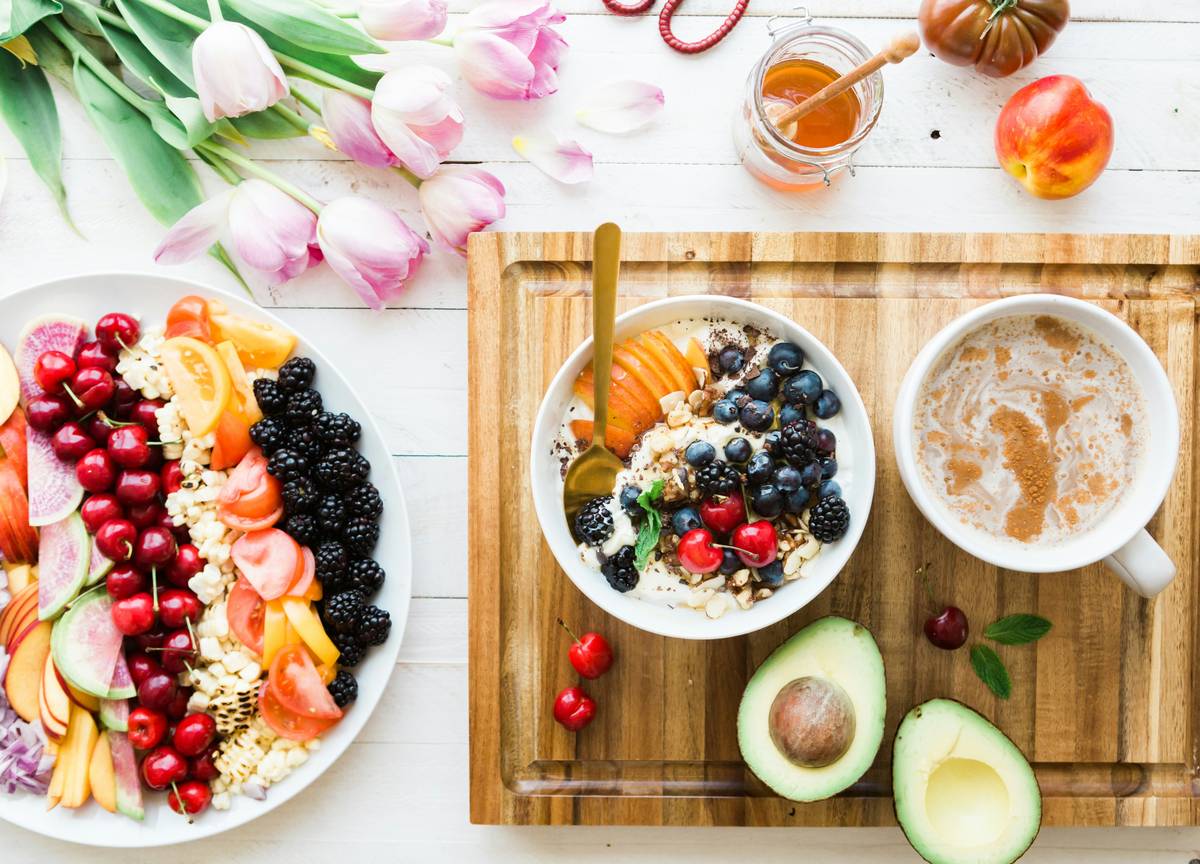
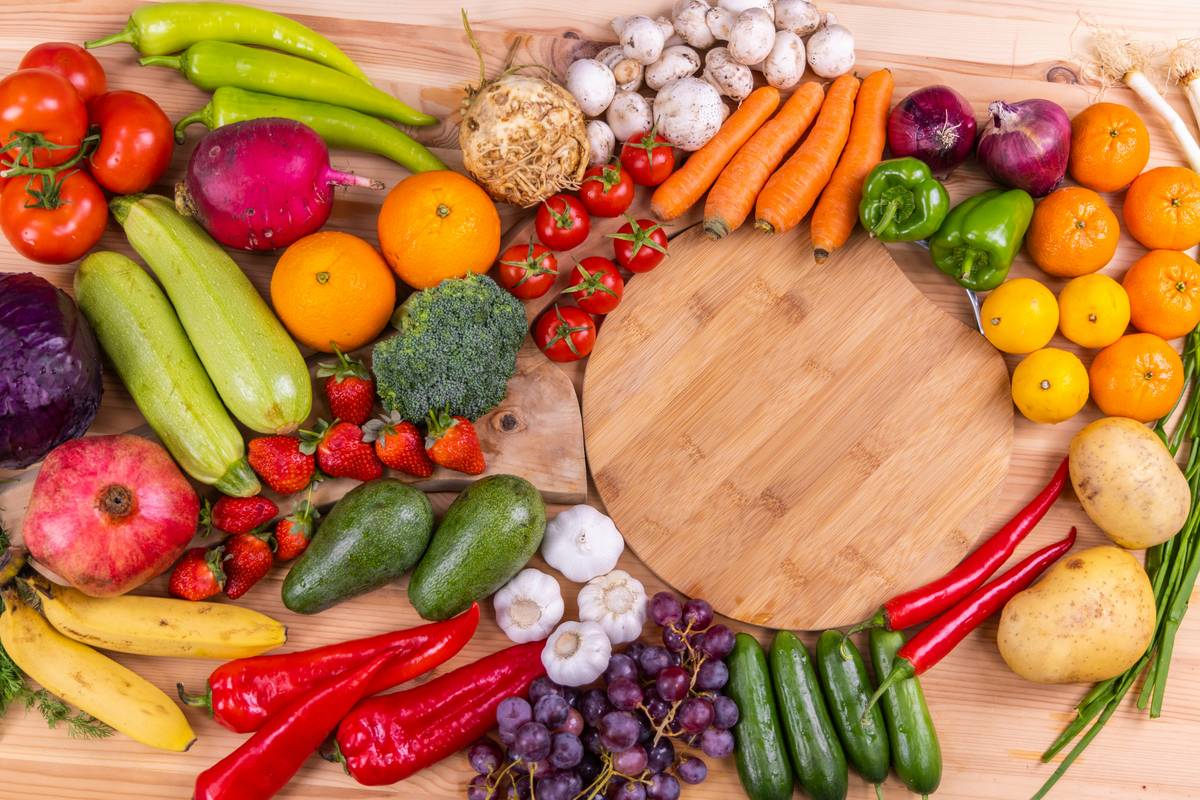
Aim for 30+ different plant foods weekly—fruits, veggies, legumes, nuts, seeds. Each color group offers unique polyphenols that nourish distinct bacterial strains.
Prioritize Fermented Foods Over Pills
While supplements have their place, whole-food sources like sauerkraut, kefir, and miso deliver live cultures plus natural enzymes. Start with 1–2 tablespoons daily to avoid shock.
Hydrate Strategically
Water activates digestive enzymes and softens fiber. Drink ½ your body weight (lbs) in ounces daily—but sip between meals, not during, to avoid diluting stomach acid.
Sleep Like Your Gut Depends on It (It Does)
Poor sleep reduces Akkermansia muciniphila, a bacterium critical for gut lining integrity. Aim for 7–8 hours nightly.
Move Gently, Consistently
Brisk walking 30 minutes/day boosts microbial diversity more effectively than intense workouts, per a 2023 study in Gut Microbes.
Daily Habits That Amplify Results
- Chew thoroughly: Signals stomach to release acid—critical for protein breakdown.
- Avoid late-night eating: Gives your gut 12+ hours to repair overnight.
- Manage stress proactively: Try 5 minutes of diaphragmatic breathing before meals to activate the parasympathetic nervous system.
- Read labels ruthlessly: Artificial sweeteners like sucralose disrupt beneficial bacteria—opt for stevia or monk fruit instead.
And here’s a terrible tip I’ve heard too often: “Just take a probiotic and forget it.” Wrong. Without dietary support, those bacteria won’t colonize. Think of probiotics as seeds—and your diet as the soil.
Real People, Real Relief
In a 12-week clinical trial published by Harvard Medical School, participants who consumed 6+ servings of diverse fibers daily saw a 40% increase in Bifidobacterium—a strain linked to reduced IBS symptoms (Harvard Health, 2022). One participant, Sarah K., eliminated chronic bloating by swapping processed snacks for almonds, blueberries, and plain kefir. Her secret? She tracked her variety using a simple checklist—no apps needed.
At GR Consulate, our integrative approach blends these principles with personalized care. Learn more about our philosophy on our About Us page.
Frequently Asked Questions
How quickly can I expect results from a gut biome booster?
Most notice reduced bloating in 3–7 days, but full microbiome shifts take 4–6 weeks of consistent habits.
Are probiotic supplements necessary for digestive health benefit?
Not always. Food-first strategies often suffice unless you’re recovering from antibiotics or have diagnosed dysbiosis.
Can stress really mess up my gut biome?
Absolutely. Cortisol slows digestion and reduces microbial diversity—making stress management non-negotiable.
What’s the #1 mistake people make with gut health?
Over-relying on one “superfood” (like kombucha) while ignoring overall dietary diversity. Balance beats obsession.
Is the gut biome booster digestive health benefit backed by science?
Yes—hundreds of studies confirm that targeted prebiotic/probiotic intake improves markers like stool consistency, inflammation, and even mental clarity.
How do I know if my gut is healing?
Track consistent bowel movements (1–3 daily), reduced gas, stable energy, and fewer food sensitivities.
Ready to personalize your plan? Our team at GR Consulate offers tailored guidance rooted in evidence—not trends. Contact us today to start your journey. And rest assured—we protect your data as fiercely as your gut health (see our Privacy Policy).