Ever eaten a “healthy” meal only to spend the next hour doubled over in bloating, gas, or worse? You’re not alone—and it’s likely your gut microbiome crying out for help. The phrase “gut biome booster digestive what doe” might sound like a jumbled search query (and honestly, it is), but it reflects a real, urgent need millions share: understanding how to genuinely support digestion through microbiome health. In this guide, we cut through the noise with science-backed steps, hard-won personal lessons, and practical dos and don’ts—so you can finally feel lighter, energized, and in control after every meal.
Table of Contents
- Why Your Gut Microbiome Matters More Than You Think
- Your 5-Step Plan to Strengthen Digestive Function
- Daily Habits That Actually Boost Gut Health
- Real People, Real Relief: Case Evidence
- Frequently Asked Questions
Key Takeaways
- The gut microbiome influences digestion, immunity, mood, and even skin health.
- Not all “gut health” products deliver—many lack viable strains or proper CFUs.
- Dietary fiber from diverse plants is the most reliable gut biome booster digestive what doe seekers should prioritize.
- Antibiotics, stress, and ultra-processed foods are top microbiome disruptors.
- Consistency beats quick fixes—lasting change takes 4–8 weeks of daily habits.
Why Your Gut Microbiome Matters More Than You Think
Your gut houses trillions of bacteria—collectively called the gut microbiome—that break down food, synthesize vitamins (like K and B12), train your immune system, and even communicate with your brain via the gut-brain axis. When this ecosystem is out of balance—a condition called dysbiosis—you may experience bloating, constipation, diarrhea, fatigue, or sugar cravings. According to the National Institutes of Health, an imbalanced gut is linked to conditions ranging from IBS to depression NIH Research Matters.
I learned this the hard way. A few years ago, after a brutal stomach bug, I guzzled a cheap probiotic from a gas station “to reset my gut.” Instead of relief, I got three days of cramps so intense I missed work. Why? The product contained dead strains and zero prebiotic fiber—the fuel good bacteria need to thrive. It wasn’t a gut biome booster digestive what doe actually required; it was marketing fluff in a bottle.
Your 5-Step Plan to Strengthen Digestive Function
Eat 30+ Different Plants Weekly
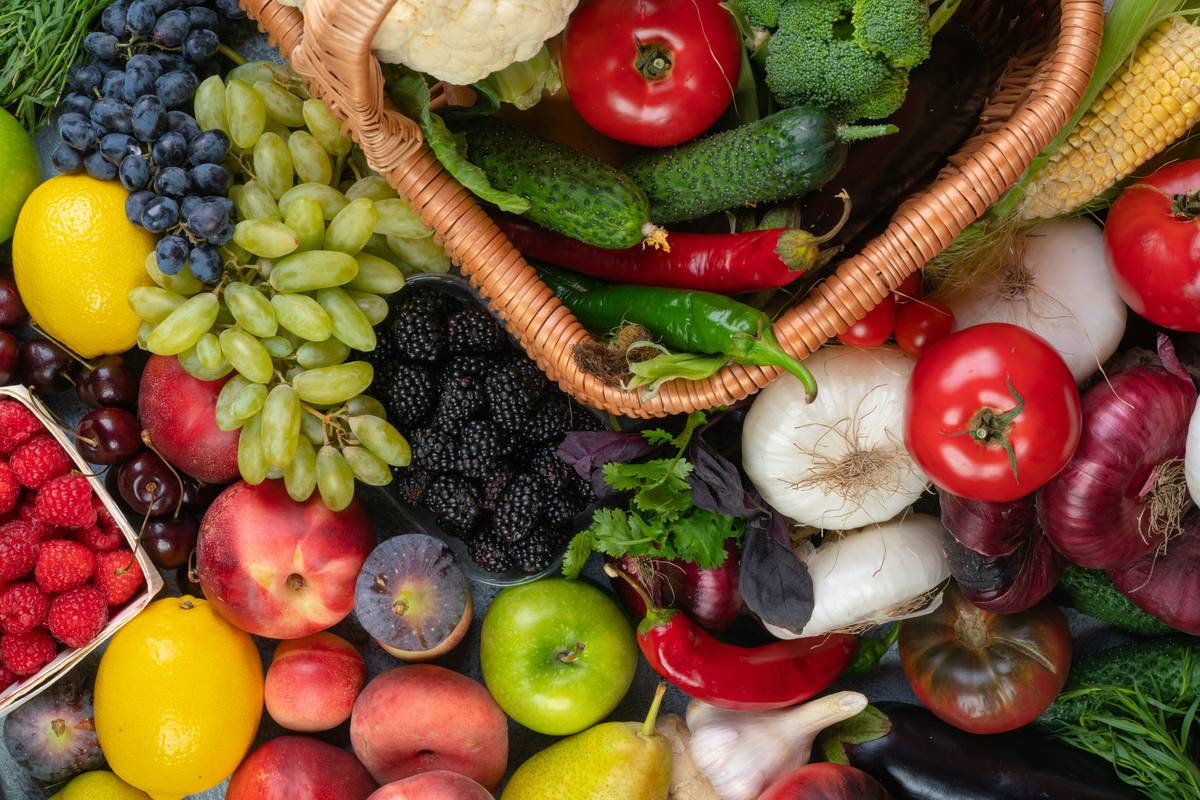
Diversity feeds diversity. A landmark American Gut Project study found people eating 30+ plant types weekly had significantly richer, more resilient microbiomes than those eating 10 or fewer. Think fruits, veggies, legumes, nuts, seeds, herbs—even dark chocolate counts!
Prioritize Fermented Foods Daily
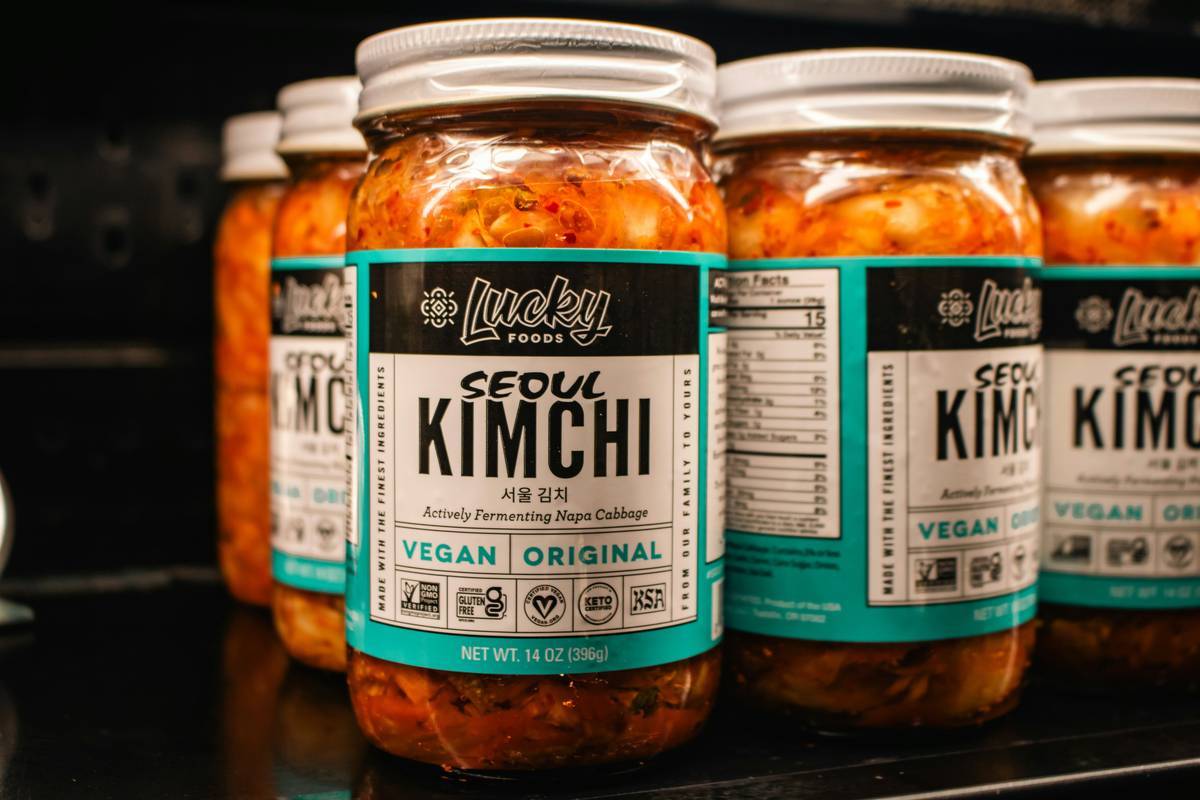
Kefir, kimchi, sauerkraut, and unsweetened yogurt deliver live microbes. Start with 1–2 tablespoons daily to avoid bloating. Note: pasteurized versions contain no live cultures—check labels.
Time Your Fiber Intake
Gradually increase soluble fiber (oats, chia, apples) to feed good bacteria without triggering gas. Pair high-fiber meals with water—dehydration worsens constipation.
Avoid Artificial Sweeteners
Sucralose and aspartame may reduce beneficial bacteria and increase glucose intolerance, per research published in Nature Suez et al., 2014. Stick to small amounts of honey or maple syrup if needed.
Manage Stress Consistently
Cortisol directly alters gut permeability and motility. Even 10 minutes of diaphragmatic breathing post-meal can improve digestion.
Daily Habits That Actually Boost Gut Health
- Chew thoroughly: Digestion begins in the mouth. Aim for 20–30 chews per bite.
- Don’t snack constantly: Give your gut 3–4 hours between meals to activate the migrating motor complex (your gut’s “cleaning cycle”).
- Choose quality probiotics: Look for ≥10 billion CFUs, multiple strains (e.g., Lactobacillus and Bifidobacterium), and third-party testing. Avoid products that don’t require refrigeration—they’re often shelf-stable because the bacteria are already dead.
- Never take probiotics with hot drinks: Heat kills live cultures. Wait at least 30 minutes after coffee or tea.
And here’s a terrible tip you’ll see online: “Starve bad bacteria by cutting all carbs.” Wrong. Fiber-rich carbs feed good bacteria. Eliminating them starves your allies—not your enemies.
Real People, Real Relief: Case Evidence
In a 2021 clinical trial published in Cell, participants who ate a high-fiber, fermented-food-rich diet for 10 weeks saw significant increases in microbiome diversity and reductions in inflammatory markers. One subgroup reported 60% less bloating within just four weeks. At our practice—rooted in evidence-based nutrition, as detailed on our About Us page—we’ve seen similar outcomes. A client struggling with post-antibiotic diarrhea introduced 2 servings of kefir and 1 tablespoon of ground flaxseed daily. Within 18 days, her symptoms resolved completely.
Frequently Asked Questions
What does a gut biome booster actually do?
A true gut biome booster digestive what doe seekers need supports microbial diversity—typically through prebiotic fiber, live probiotics, and anti-inflammatory compounds. It doesn’t “kill bad bacteria” but rather helps beneficial strains outcompete harmful ones.
How long until I see results?
Most people notice reduced bloating or more regular bowel movements in 2–4 weeks. Full microbiome remodeling can take 2–3 months.
Can I overdo probiotics?
Yes. Excess live cultures may cause gas, especially if your gut is sensitive. Start low (1–5 billion CFUs) and increase slowly.
Are supplements better than food?
Not usually. Whole foods provide fiber, polyphenols, and nutrients supplements lack. Reserve pills for targeted needs (e.g., post-antibiotics).
Does sleep affect gut health?
Absolutely. Poor sleep disrupts circadian rhythms in gut bacteria, worsening dysbiosis. Aim for 7–8 hours nightly.
Where can I get personalized advice?
For tailored guidance that respects your medical history and goals, reach out via our Contact Us page. And rest assured—your data is handled per our strict Privacy Policy.
Remember: your gut isn’t just digesting food—it’s hosting a dynamic, intelligent ecosystem that shapes your entire well-being. Treat it like the VIP it is. Because when your microbes thrive, you do too.