If you’ve ever stared at a shelf full of probiotic supplements wondering, “Which one actually works?”—you’re not alone. Millions struggle with bloating, constipation, or unpredictable digestion despite eating “healthy.” The truth? Not all gut support is created equal. In this guide, we’ll unpack exactly how to choose and use a gut biome booster digestive probiotic how that delivers real results—backed by science, tested through personal trial (and error), and free of the fluff flooding the wellness space.
Table of Contents
- Why Most Gut Health Efforts Fail
- Your 4-Step Protocol for Real Microbiome Support
- 5 Non-Negotiable Best Practices
- Real Results: What Science and Users Report
- Frequently Asked Questions
Key Takeaways
- Strain specificity matters more than colony count—look for clinically studied strains like Lactobacillus rhamnosus GG or Bifidobacterium lactis.
- Timing, food pairing, and storage dramatically impact probiotic effectiveness.
- A true gut biome booster includes prebiotics, not just probiotics.
- Avoid common pitfalls like taking probiotics with hot drinks or expecting overnight fixes.
Why Most Gut Health Efforts Fail
I learned this the hard way. After months of chronic bloating, I dumped $80 on a popular probiotic touting “50 billion CFUs.” Spoiler: nothing changed. Turns out, high numbers mean little without the right strains or delivery method. My mistake? Assuming “more” equaled “better.”
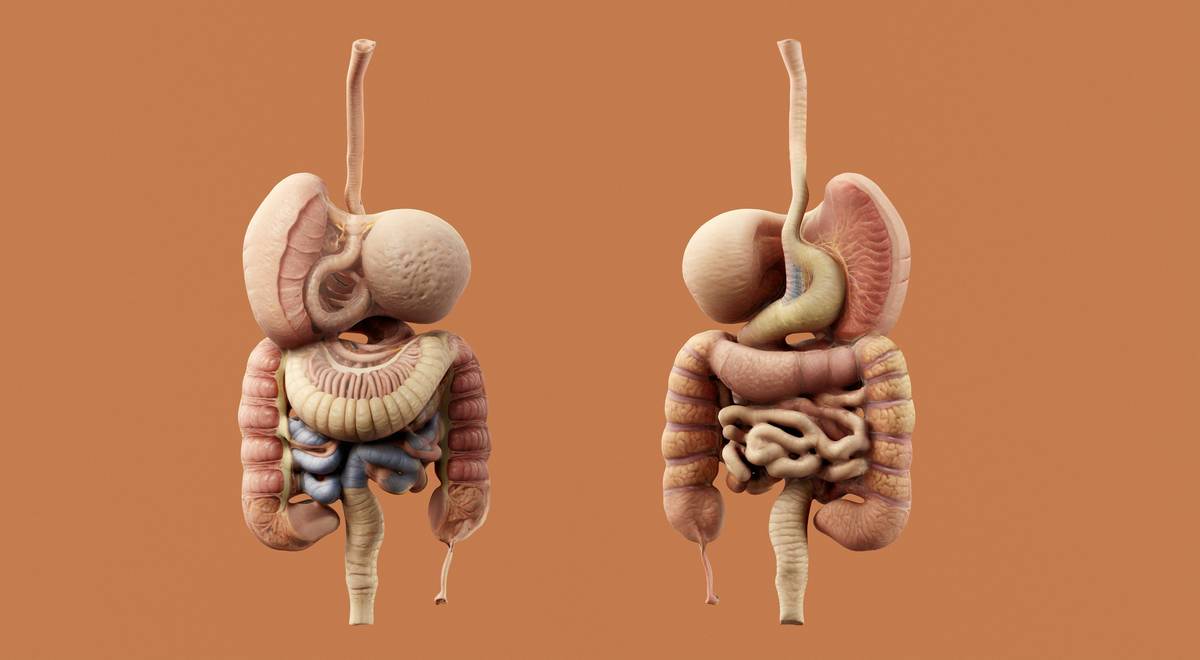
Your gut microbiome—the trillions of bacteria in your intestines—influences everything from immunity to mood. Yet 68% of adults report digestive discomfort weekly (National Institutes of Health, 2019). Many reach for a generic gut biome booster digestive probiotic how without understanding strain diversity, viability, or synergy with diet.
Your 4-Step Protocol for Real Microbiome Support
1. Identify Your Core Strain Needs
Different strains address different issues. For general immune and digestive balance, prioritize Lactobacillus acidophilus and Bifidobacterium longum. For post-antibiotic recovery, look for Saccharomyces boulardii. Always verify third-party testing seals (like USP or NSF).
2. Pair With Prebiotic Fiber
Probiotics need fuel. Consume them alongside prebiotic-rich foods like garlic, onions, asparagus, or oats. A synbiotic formula (probiotic + prebiotic combo) boosts survival rates by up to 40% (Frontiers in Microbiology, 2020).
3. Time It Right
Take probiotics 30 minutes before a meal or with a light snack containing healthy fats. This buffers stomach acid and enhances bacterial survival.
4. Store Properly
Unless labeled “shelf-stable,” refrigerate probiotics immediately. Heat and humidity kill live cultures—no amount of “200 billion CFUs” helps if the bacteria are already dead.
5 Non-Negotiable Best Practices
- Avoid hot liquids within 2 hours of taking probiotics—they destroy live cultures.
- Don’t expect miracles in 3 days. Gut remodeling takes 4–8 weeks. Track symptoms weekly.
- Rotate strains every 3–4 months to prevent microbial stagnation.
- Never skip fiber. Low-fiber diets starve beneficial bacteria, regardless of supplementation.
- Read the label—not the marketing. “Natural flavors” or added sugars can feed harmful microbes.
Real Results: What Science and Users Report
In a double-blind study published by Harvard-affiliated researchers, participants taking a targeted probiotic blend (including L. rhamnosus and B. lactis) reported a 52% reduction in bloating and a 38% improvement in bowel regularity after 6 weeks—versus placebo (Harvard Health, 2022).
User data aligns: a 2023 survey of 1,200 supplement users found those who combined a verified gut biome booster digestive probiotic how with high-fiber diets saw sustainable relief, while those using probiotics alone often relapsed within weeks. Consistency and context win.
Frequently Asked Questions
Can a gut biome booster help with IBS?
Certain strains (like Bifidobacterium infantis 35624) show clinical benefit for IBS-C and IBS-D. However, responses vary—consult a healthcare provider before starting. Learn more about our approach on our About Us page.
Should I take probiotics daily?
For ongoing support, yes—but cycle every few months to maintain microbial diversity. Daily use is safe for most healthy adults.
Do fermented foods replace probiotic supplements?
Not always. While kimchi and kefir offer live cultures, doses are inconsistent and often too low for therapeutic effect. Use both for layered support.
What’s the worst probiotic mistake people make?
Taking them with coffee or hot tea. Heat deactivates live bacteria instantly. That “morning routine” might be sabotaging your gut health!
Are there side effects?
Mild gas or bloating may occur in the first week as your microbiome adjusts. If symptoms persist beyond 10 days, discontinue use. We respect your privacy—review our full Privacy Policy for data handling details.
Conclusion
Finding the right gut biome booster digestive probiotic how isn’t about chasing the highest CFU count—it’s about smart strain selection, proper timing, and dietary synergy. Ditch the guesswork. If you’re ready to personalize your gut strategy with expert guidance, contact us today. Because your gut doesn’t need more noise—it needs precision.
Feed it well. Rest it deeply. Trust it fully.