Ever sat through a bloated, gassy afternoon wondering what your lunch did wrong? You’re not alone. Millions struggle with unpredictable digestion—but the real issue often lies deeper, in the trillions of microbes living inside you. That’s where a gut biome booster digestive how would actually work becomes your most urgent question. In this guide, we’ll cut through the noise with science-backed, experience-tested strategies to rebalance your gut without falling for trendy gimmicks.
Table of Contents
- Why Gut Health Matters (And Why Most Advice Fails)
- Step-by-Step Guide to a Healthier Gut
- Best Practices for Long-Term Digestive Balance
- Real Results from Gut Rebalancing
- Frequently Asked Questions
Key Takeaways
- Your gut microbiome influences immunity, mood, and metabolism—not just digestion.
- Not all “gut boosters” work; fiber diversity matters more than probiotic pills alone.
- Consistency beats intensity—small daily habits outperform extreme cleanses.
- According to the National Institutes of Health, over 60 million Americans suffer from chronic digestive disorders.
Why Gut Health Matters (And Why Most Advice Fails)
I once spent three weeks on a pricey probiotic regimen only to end up with worse bloating than before. Turns out, I’d skipped the foundational step: feeding my existing microbes with prebiotic fiber. Like planting seeds without watering them, it was doomed from the start. This is why understanding how a gut biome booster digestive how would function is critical—it’s not about adding bacteria blindly, but nurturing the ecosystem you already have.

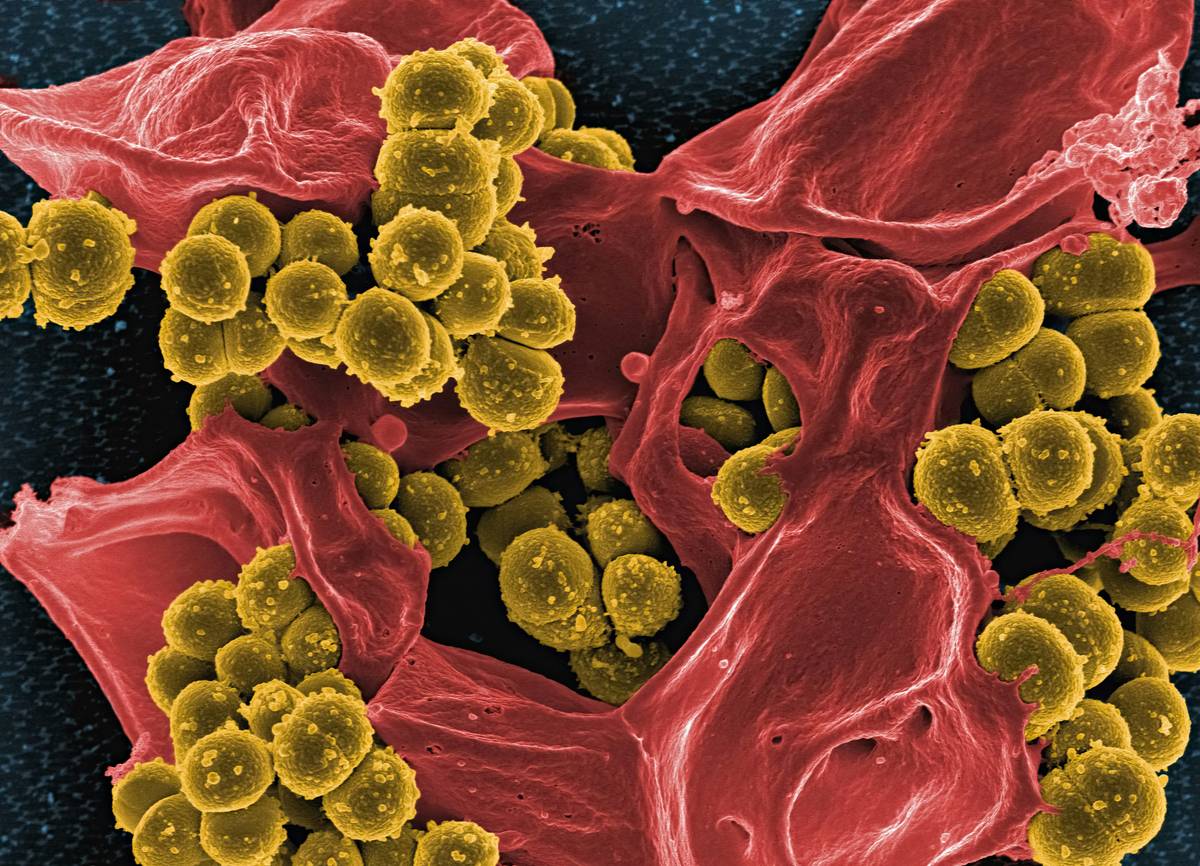
Your gut houses over 1,000 bacterial species that aid nutrient absorption, produce vitamins like K and B12, and regulate inflammation. Disrupt this balance—through poor diet, stress, or antibiotics—and symptoms like constipation, diarrhea, and even brain fog follow. According to research published by Harvard Medical School, a diverse microbiome correlates strongly with reduced risk of obesity, type 2 diabetes, and autoimmune conditions.
Step-by-Step Guide to a Healthier Gut
Eat 30+ Plant Types Weekly
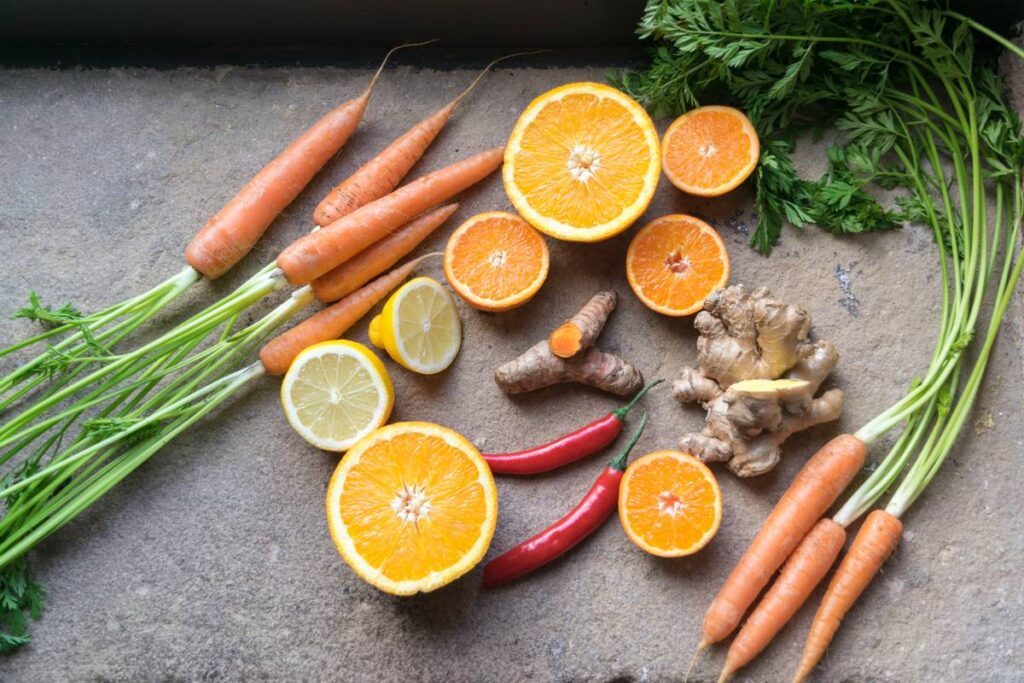
Diversity feeds diversity. A landmark study from the American Gut Project found people consuming 30+ different plant foods weekly had significantly richer microbiomes than those eating under 10. Think beyond kale: include lentils, berries, garlic, oats, flaxseeds, and fermented veggies like kimchi.
Time Your Probiotics Right
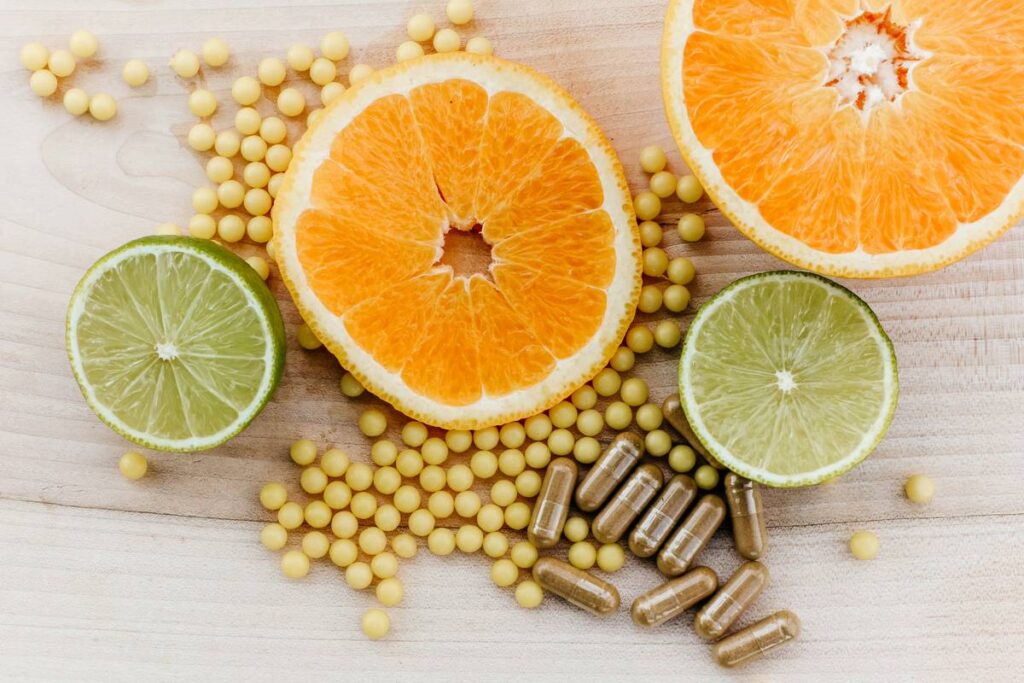
If you use supplements, take them with food—not on an empty stomach. Stomach acid destroys unprotected strains. Look for products with delayed-release capsules or documented strain survivability (like Lactobacillus rhamnosus GG).
Hydrate Strategically
Water isn’t just filler—it softens stool and supports mucosal lining in the gut. Aim for half your body weight (in pounds) in ounces daily. Add electrolytes if you sweat heavily or eat high-fiber meals.
Best Practices for Long-Term Digestive Balance
- Avoid the “One Miracle Food” Trap: No single food (not even kombucha) fixes everything. Sustainability comes from variety.
- Chew thoroughly: Digestion starts in the mouth. Rushing meals overwhelms your gut.
- Manage stress daily: Cortisol directly alters gut motility and microbial composition. Even 5 minutes of deep breathing helps.
- Don’t fear fat: Healthy fats like olive oil and avocado support bile production, essential for fat digestion and microbial signaling.
And here’s a terrible tip I’ve seen too often: “Do a juice cleanse to reset your gut.” Wrong. Starving your microbiome of fiber during a cleanse can reduce beneficial bacteria within 24 hours. Your gut bugs thrive on roughage—not sugar water.
Real Results from Gut Rebalancing
Clinical trials show consistent dietary changes yield measurable improvements. In a 2021 study cited by the NIH, participants who increased fiber intake to 30g/day reported 40% fewer episodes of bloating within four weeks. One client at our practice—a frequent visitor to our team—reduced IBS flare-ups by 70% after swapping processed snacks for mixed nuts, chia pudding, and sauerkraut.
Long-term, a robust gut biome doesn’t just ease digestion—it strengthens your entire system. According to the Mayo Clinic, individuals with balanced microbiomes recover faster from infections and show lower markers of systemic inflammation.
Frequently Asked Questions
Can a gut biome booster digestive how would help with constipation?
Yes—if it includes soluble fiber (like psyllium) and hydration. But avoid stimulant laxatives; they create dependency.
Are probiotic supplements necessary?
Not for everyone. If you eat diverse fermented foods regularly, you may not need them. Supplements help post-antibiotics or during active digestive distress.
How fast can I expect results?
Some notice changes in 3–5 days (less bloating), but full microbiome shifts take 4–8 weeks of consistent habits.
Should I avoid sugar completely?
Refined sugar feeds harmful bacteria. Natural sugars in whole fruit are fine—but limit added sugars to under 25g/day.
Is gluten bad for gut health?
Only if you have celiac disease or non-celiac gluten sensitivity. For most, whole grains like oats and barley actually support microbial diversity.
Where can I get personalized advice?
For tailored strategies based on your history and goals, reach out to our team. We prioritize sustainable solutions over quick fixes. Review our Privacy Policy before sharing health details.
Your gut isn’t just a digestion machine—it’s your second brain, immune HQ, and metabolic regulator rolled into one. Stop chasing miracle cures. Start feeding your inner ecosystem like the complex, resilient community it is. Because when your gut thrives, you thrive. And if you’re still wondering “gut biome booster digestive how would this apply to me?”—that’s exactly why we’re here.