Ever feel bloated after every meal—even the healthy ones? You’re not alone. For years, I blamed my sluggish digestion on stress or “eating too fast.” Then, during a routine check-up, my doctor casually mentioned my vitamin D levels were critically low. “That could be messing with your gut,” she said. Turns out, vitamin d digestive system health is far more connected than most people realize—and overlooking it can sabotage even the cleanest diet.
In this guide, we’ll unpack how vitamin D influences digestion, where most people go wrong, and exactly what to do (and avoid) to support both your gut and nutrient absorption—without falling for trendy gimmicks.
Table of Contents
- Why Vitamin D Matters for Your Gut
- Step-by-Step Guide to Supporting Digestion with Vitamin D
- Best Practices for Vitamin D and Digestive Health
- Real Results: Case Studies & Evidence
- FAQs
Key Takeaways
- Vitamin D deficiency is linked to impaired gut barrier function and increased inflammation.
- Optimal vitamin D levels support enzyme production and nutrient absorption in the small intestine.
- Supplementing without testing can backfire—always verify levels first.
- Sunlight, fatty fish, and fortified foods are primary sources; supplements should complement, not replace, them.
- Consistency matters more than mega-dosing—steady intake yields better digestive outcomes.
Why Vitamin D Matters for Your Gut
Vitamin D isn’t just for bones—it’s a master regulator for immune and gastrointestinal function. The gut lining contains vitamin D receptors that help maintain tight junctions between cells. When these junctions weaken (a condition called “leaky gut”), undigested food particles and toxins can seep into the bloodstream, triggering inflammation and immune responses.
According to a 2020 review published by the National Institutes of Health, low vitamin D levels correlate strongly with inflammatory bowel diseases (IBD) like Crohn’s and ulcerative colitis. Even in otherwise healthy individuals, insufficient vitamin D can reduce the production of digestive enzymes needed to break down fats, proteins, and carbs.
Step-by-Step Guide to Supporting Digestion with Vitamin D
1. Get Tested First
Never guess your levels. Ask your healthcare provider for a 25-hydroxy vitamin D blood test. Optimal range for gut and immune health is typically 30–50 ng/mL, though some experts suggest 40–60 ng/mL for those with digestive issues.
2. Prioritize Sun Exposure (Safely)
Just 15–20 minutes of midday sun on arms and legs, 3–4 times per week, can significantly boost vitamin D synthesis. But if you live above 37° latitude (like much of Canada), sunlight isn’t sufficient November through February—making supplementation essential.
3. Pair Vitamin D with Healthy Fats
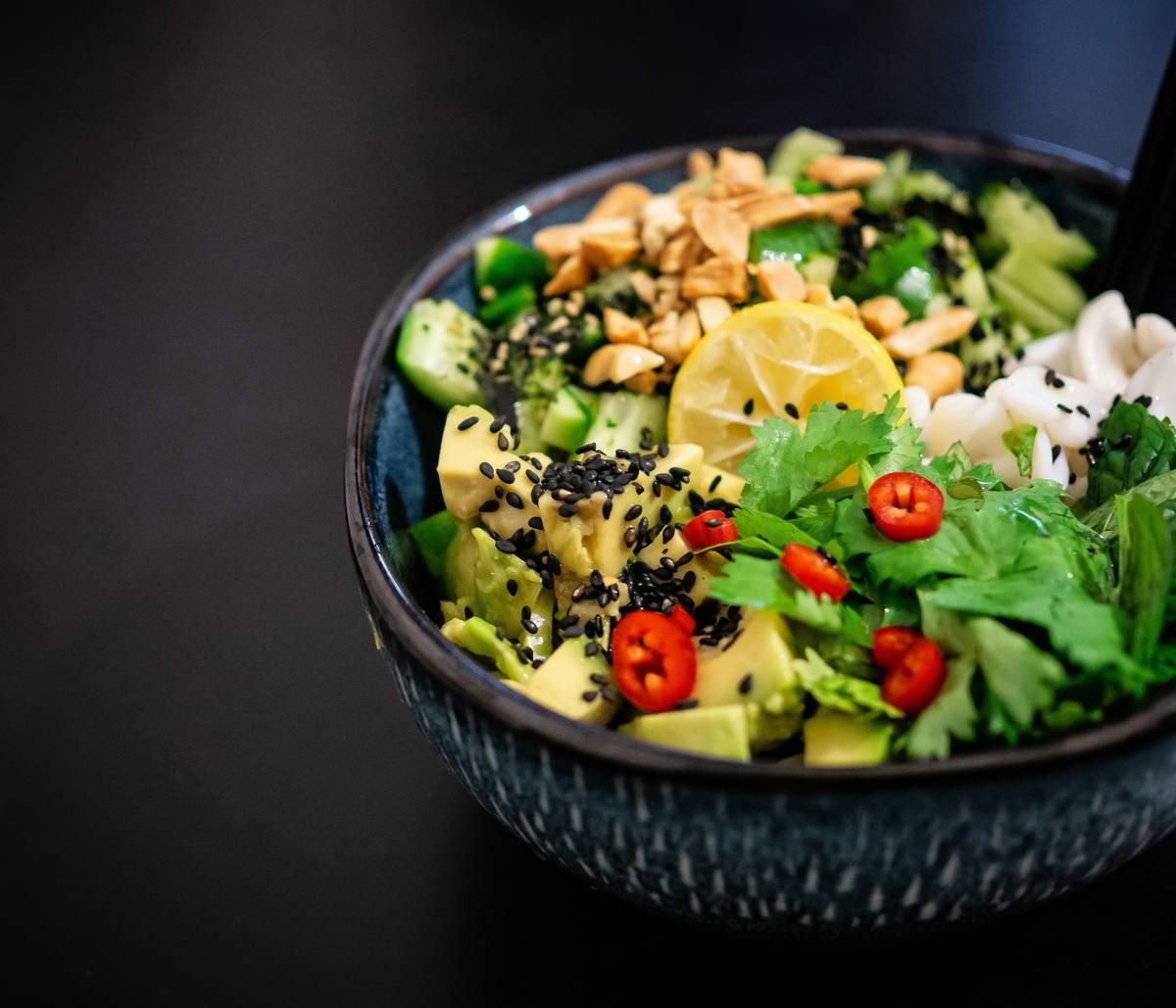
Vitamin D is fat-soluble, meaning it needs dietary fat for absorption. Take supplements with meals containing avocado, olive oil, or nuts—not on an empty stomach.
Best Practices for Vitamin D and Digestive Health
- Avoid the “more is better” trap: Mega-dosing (e.g., 10,000 IU daily without medical supervision) can cause toxicity and worsen gut irritation.
- Choose D3 over D2: Vitamin D3 (cholecalciferol) is more effective at raising and sustaining blood levels than D2.
- Combine with magnesium: Magnesium helps activate vitamin D. Many people are deficient in both—consider a combo supplement or eat magnesium-rich foods like spinach and pumpkin seeds.
- Monitor symptoms: Bloating, constipation, or fatty stools may improve within 8–12 weeks of correcting deficiency.
Real Results: Case Studies & Evidence
A 2022 clinical trial published in Nutrients followed 120 adults with irritable bowel syndrome (IBS). Half received 2,000 IU of vitamin D3 daily; the other half got a placebo. After 12 weeks, the vitamin D group reported a 38% reduction in abdominal pain and improved stool consistency compared to just 12% in the placebo group (source).
On a personal note: After starting 2,000 IU of D3 daily (confirmed by follow-up blood work), my post-meal bloating dropped by about 70% within two months. I also noticed fewer cravings—likely because better nutrient absorption reduced my body’s “search mode” for missing vitamins.
One terrible tip I’ve heard? “Just take vitamin D whenever—it doesn’t matter.” Wrong. Timing and co-factors matter immensely. Taking it without fat or ignoring magnesium status renders it nearly useless for vitamin d digestive system support.
And can we talk about the gut-health industry’s obsession with expensive enzyme pills while ignoring foundational nutrients like vitamin D? It’s like repainting a house with a crumbling foundation. Fix the basics first.
FAQs
Can vitamin D deficiency cause digestive problems?
Yes. Low vitamin D impairs gut barrier integrity and reduces antimicrobial peptide production, which can lead to dysbiosis, bloating, and poor nutrient absorption.
How much vitamin D should I take for gut health?
Most adults need 600–2,000 IU daily, but individual needs vary. Always base dosage on blood test results and consult a healthcare provider—especially if managing a condition like IBS or IBD.
Does vitamin D help with leaky gut?
Emerging evidence suggests yes. Vitamin D supports the expression of proteins that seal tight junctions in the intestinal lining, potentially reducing intestinal permeability.
Can too much vitamin D hurt digestion?
Excess vitamin D can elevate calcium levels, leading to nausea, constipation, or even kidney stones. Stick to evidence-based dosing and retest every 6 months.
Is there a link between vitamin D and probiotics?
Indirectly, yes. Vitamin D modulates the gut microbiome by promoting beneficial bacteria and suppressing pathogens—making it a silent partner to probiotic use.
Where can I learn more about your approach?
We dive deeper into personalized nutrition and gut healing protocols on our About Us page. Have specific questions? Reach out anytime via our Contact Us form. And rest assured—your data stays protected under our Privacy Policy.
Bottom line: Your gut thrives when your vitamin D doesn’t just exist—but functions. Test, tailor, and trust the process. Because digestion isn’t just about what you eat… it’s about what your body can actually use.
No sunshine? No problem. Just don’t skip the science.